



Arts and Literature: How Written Imagination Shapes Culture
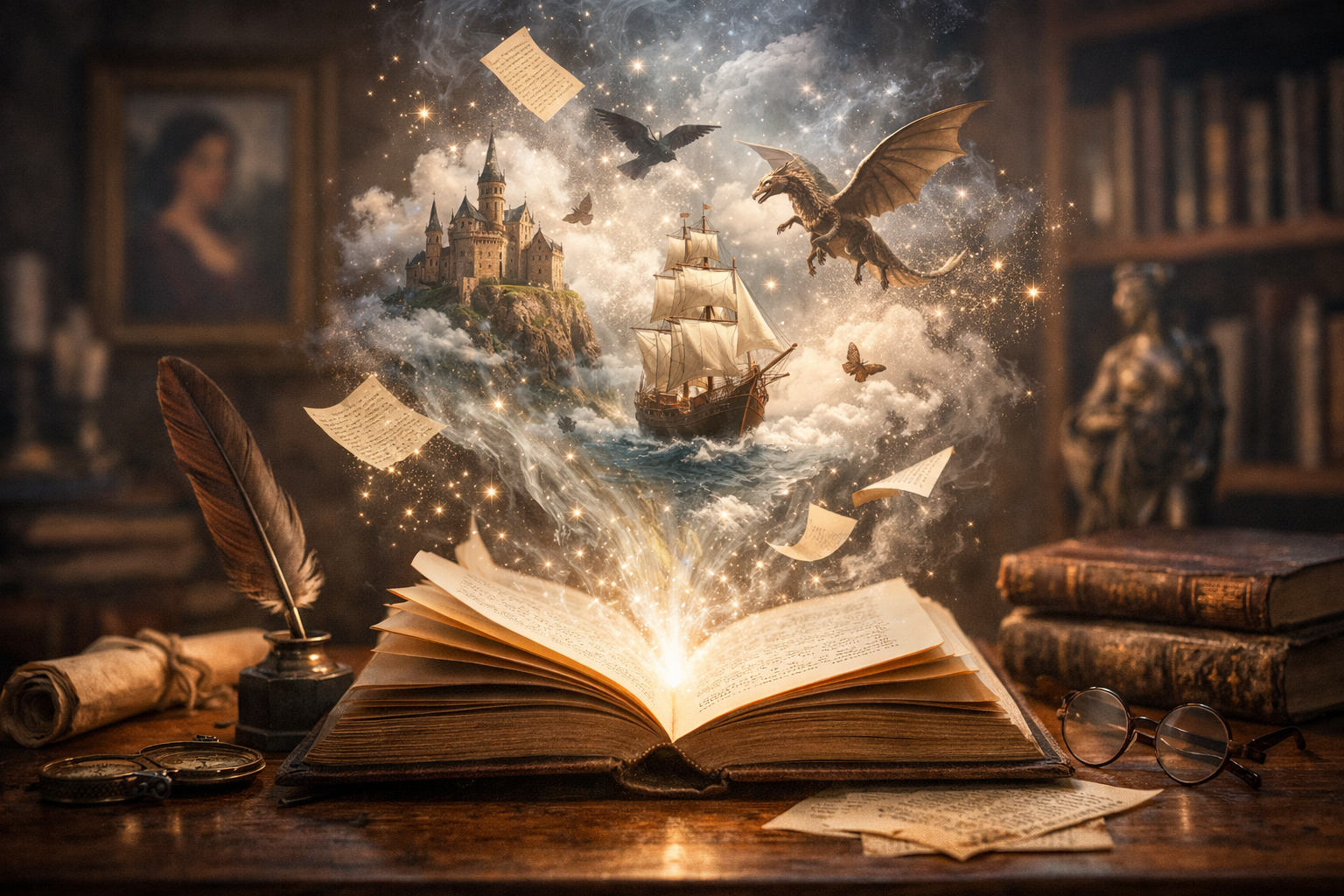
The Enduring Place of Literature in the Arts
Among the many branches of the arts, literature holds a singular position. It is built not from stone, pigment, or sound, but from language—the most immediate and flexible tool humans possess. Through poems, plays, novels, essays, and oral traditions, literature turns experience into form and thought into art. It records personal feeling, interprets public events, and gives shape to ideas that might otherwise remain abstract or fleeting.
Literature belongs to the arts because it does more than communicate information. It uses rhythm, metaphor, voice, structure, and symbolism to create emotional and intellectual impact. A well-crafted story does not merely tell us what happened; it reveals how events feel, why they matter, and what they suggest about human nature. In this way, literature bridges aesthetic pleasure and social meaning, making it one of the most influential artistic forms in human history.
From Oral Tradition to Printed Page
Long before books were widely available, literature existed in spoken form. Myths, epics, folktales, and songs were passed from one generation to another, preserving values, histories, and communal identity. Oral literature was not only entertainment; it was a living archive. Through repetition and performance, communities transmitted knowledge about ancestry, morality, survival, and the sacred.
The spread of writing and later the printing press transformed literature by giving texts permanence and wider reach. Works could now move across regions and centuries with greater stability. This shift expanded authorship, readership, and debate. Literature became a place where philosophical ideas could circulate, political systems could be questioned, and artistic styles could evolve through influence and response. Printed literature democratized memory, allowing more voices to participate in cultural life, even if access remained unequal for long periods.
Literature as a Mirror and a Critique of Society
One of literature’s most powerful functions is its ability to reflect society while also interrogating it. Novels and plays often portray the tensions of their time: class divisions, colonial expansion, industrial change, war, migration, gender expectations, and struggles for freedom. By placing readers inside individual lives, literature humanizes large historical forces that might otherwise seem distant or impersonal.
At the same time, literature can challenge dominant beliefs. Satire exposes hypocrisy, dystopian fiction warns against authoritarianism, and personal narratives reveal the lived realities hidden behind official accounts. Writers frequently ask uncomfortable questions: Who has power? Who is silenced? What is justice? What does progress cost? Such questions make literature not only an artistic pursuit but also a moral and civic one.
This critical role explains why literature has often been censored, celebrated, or fiercely debated. Books can inspire reform, provoke outrage, and alter public consciousness. They give readers language for experiences they may have felt but not yet articulated, turning private recognition into shared awareness.
The Many Forms of Literary Expression
Literature is remarkably diverse in form, each genre offering a different way to encounter reality and imagination.
- Poetry distills emotion and perception through condensed language, sound, and imagery.
- Fiction explores invented worlds and characters in order to illuminate truths about actual life.
- Drama combines literary craft with performance, making conflict immediate and communal.
- Essays merge reflection and argument, allowing writers to analyze culture, politics, memory, and art.
- Memoir and autobiography transform personal experience into narrative meaning.
- Children’s literature introduces moral imagination, curiosity, and emotional understanding at an early age.
These forms often overlap and influence one another. A novel may contain poetic language; a play may read like philosophy; a memoir may use fictional techniques. This fluidity is part of literature’s artistic richness.
Why Literature Matters to Human Development
Literature matters because it enlarges perception. Reading invites people to inhabit perspectives beyond their own: another era, another class, another nation, another interior life. This imaginative movement can deepen empathy, but it also sharpens interpretation. Readers learn to notice ambiguity, weigh motives, and recognize that human situations are rarely simple.
In education, literature strengthens language skills, critical thinking, and cultural literacy. Yet its value extends far beyond the classroom. In ordinary life, reading can offer consolation, delight, resistance, and self-discovery. A poem may capture grief more accurately than everyday speech. A novel may help a reader understand alienation, love, aging, or hope. A play may reveal how public roles clash with private desire.
For societies, literature preserves collective memory. It tells future generations how people once imagined the world, what they feared, what they celebrated, and what they endured. It is both archive and invention: a record of reality and a rehearsal for possible futures.
Literature in the Digital Age
Digital media has changed how literature is produced, distributed, and discussed. E-books, audiobooks, online magazines, literary newsletters, and social reading platforms have expanded access for many readers. Writers can now publish independently, reach global audiences quickly, and experiment with hybrid forms that blend text, image, sound, and interaction.
These changes bring opportunities and challenges. On one hand, digital culture can revitalize reading communities and amplify voices previously excluded from traditional publishing. On the other, the speed of online consumption may encourage distraction and shorten attention spans. The central question is not whether literature will survive technology, but how literary art can retain depth in an environment shaped by immediacy.
Encouragingly, literature has always adapted. It has moved from oral recitation to manuscript, from print serials to paperbacks, and now from page to screen and speaker. Its forms evolve, but its essential purpose remains: to create meaning through language.
A Living Art That Continues to Evolve
Literature endures because human beings continue to need stories, voices, and forms capable of expressing complexity. In every age, writers reinterpret inherited traditions while inventing new ones. Readers, in turn, bring fresh questions to old texts, keeping them alive across time.
As part of the arts, literature does not stand apart from life; it enters life deeply. It helps people remember, imagine, criticize, and connect. Whether encountered in a classic epic, a contemporary novel, a spoken-word performance, or a digital essay, literature remains one of the most vital ways humanity understands itself. Its power lies in its intimacy and reach: a few words on a page can alter a single mind, and through many minds, influence an entire culture.
Listings related to article "Arts and Literature: How Written Imagination Shapes Culture"

Laureate Aesthetics
Laureate Aesthetics is a boutique medical spa located in Sherman Oaks, California, founded by Nurse Practitioner Liana Sahakyan, RN, MSN, and dedicated to providing personalized, high-end aesthetic treatments that enhance natural beauty.

Gharibian Law
Gharibian Law is a leading firm specializing in elder abuse and personal injury cases, dedicated to defending the rights of seniors and vulnerable individuals. With a strong record of success in nursing home abuse, medical malpractice, and wrongful death cases, the firm is committed to securing justice and holding negligent parties accountable.

Serrato Signs & Awnings
Serrato Signs & Awnings, a family-owned and operated sign company in Worcester, Massachusetts, boasts over 80 years of experience in delivering top-tier interior and exterior signs, custom awnings, banners, flags, and vehicle graphic wraps across New England.
- Category
- Business » Business Services » Signage
More articles like "Arts and Literature: How Written Imagination Shapes Culture"
Reference Thesauri: How Structured Vocabularies Improve Discovery and Meaning
Reference thesauri are controlled vocabularies that organize related terms to improve indexing, searching, and knowledge discovery. They help users move beyond simple synonyms by showing broader, narrower, and associated concepts in a structured way.
Arts | Video: How Moving Images Became a Powerful Artistic Language
Video has evolved from a recording medium into one of the most dynamic forms of contemporary art. By combining image, sound, time, and technology, video art creates immersive experiences that challenge how audiences see, feel, and interpret the world.
The Living Language of Arts: How Humans Shape Meaning Through Making
Arts are more than decoration or entertainment—they are systems of expression that record history, challenge ideas, and build shared identity. This article explores what arts encompass, why they matter, and how to engage with them in everyday life.
