



Beyond the Bottom Line: How Modern Business Creates Value That Lasts

What “Business” Really Means
At its core, a business is an organized effort to create value for a specific group of people by solving a problem, meeting a need, or enabling a desired outcome. That value can take many forms—convenience, lower cost, better quality, emotional satisfaction, reduced risk, or access to expertise. In return, the business captures value through revenue, reputation, data, or long-term relationships. While profit is a common goal, it is best understood as a signal that a business is delivering something people are willing to pay for at a cost it can sustain.
Modern business operates in an environment shaped by globalization, digital networks, shifting consumer expectations, and increasing scrutiny from regulators and society. As a result, strong businesses focus on more than products: they design systems that reliably deliver outcomes, adapt to change, and earn trust.
The Building Blocks of Any Business
Most businesses, regardless of industry, share a set of foundational components. Understanding them helps clarify why some companies scale smoothly while others struggle.
- Customer: A defined audience with a problem worth solving and willingness to exchange value.
- Value Proposition: A clear promise of benefits—why the customer should choose you over alternatives.
- Delivery System: The operational capability to produce, distribute, and support the offering consistently.
- Revenue Model: How the business gets paid (sales, subscriptions, usage fees, licensing, ads, or hybrid approaches).
- Cost Structure: The expenses required to run the system—labor, materials, technology, marketing, compliance, and overhead.
- Competitive Advantage: The durable reason competitors cannot easily copy your value (brand, network effects, IP, switching costs, operational excellence, or specialized expertise).
Core Functions That Keep a Business Running
A business succeeds when key functions work together rather than operate in silos. Even small teams perform these functions, sometimes with one person wearing multiple hats.
Strategy and Positioning
Strategy defines where the business will compete and how it will win. It sets priorities, allocates resources, and prevents distraction. Good strategy is as much about what you choose not to do as what you pursue—focusing on a target segment, a distinct capability, or a unique approach to delivery.
Marketing and Sales
Marketing creates awareness and preference by communicating value; sales converts that interest into revenue. In many modern companies, marketing also includes demand generation, brand building, customer education, and community-building. Strong sales processes are measurable and repeatable: they track leads, conversion rates, deal cycles, and reasons for loss.
Operations and Supply Chain
Operations turns the promise into reality. It includes production, fulfillment, logistics, customer support, quality control, and vendor management. Operational strength shows up in reliability, speed, and consistency. In service businesses, “operations” often means staffing, scheduling, training, and standardized procedures that protect the customer experience.
Finance and Risk Management
Finance keeps the business solvent and investable. It manages cash flow, budgets, pricing, and profitability. Risk management addresses uncertainties such as market shifts, supply disruptions, cyber threats, legal liabilities, or over-reliance on a single customer or channel. Healthy businesses track not only profit, but also liquidity and resilience.
People, Culture, and Leadership
People are the engine of execution. Hiring, incentives, feedback, and professional development shape performance. Culture—how decisions are made, how conflict is handled, and what gets rewarded—can either accelerate results or silently sabotage them. Effective leadership creates clarity, accountability, and psychological safety while maintaining high standards.
Business Models: How Companies Create and Capture Value
Business models describe the logic of how value is delivered and monetized. Selecting the right model affects growth, customer retention, and capital needs.
- Product Sales: One-time transactions; often requires strong distribution and continuous pipeline generation.
- Subscription: Recurring revenue; emphasizes retention, ongoing value delivery, and customer success.
- Usage-Based: Customers pay based on consumption; aligns price with value but demands robust measurement and scalability.
- Marketplace: Connects buyers and sellers; success hinges on trust, liquidity, and balanced incentives.
- Service and Consulting: Expertise-driven; scalable through specialization, process, and productized offerings.
- Freemium: Free entry with paid upgrades; requires careful conversion design and cost control.
What Makes a Business Sustainable Over Time
Longevity comes from disciplined execution and the ability to adapt. The most resilient businesses treat sustainability as a practical operating principle rather than a buzzword.
Customer-Centered Improvement
Businesses that grow consistently use feedback loops—surveys, usage data, support tickets, reviews, and direct interviews—to identify friction and refine their offering. Customer satisfaction is not just a metric; it’s a continuous design process.
Operational Excellence
Clear processes reduce errors and improve margins. Standardization, automation, and documentation allow a company to scale without losing quality. Many fast-growing businesses stall because their “early-stage hustle” never becomes a reliable system.
Innovation and Adaptability
Innovation includes new products, improved workflows, better distribution, and smarter pricing. Adaptability means monitoring signals—competitor moves, regulatory changes, technology shifts—and responding quickly without abandoning core strengths.
Ethics, Trust, and Reputation
Trust is a competitive asset. Transparent policies, honest marketing, data privacy, fair labor practices, and responsible sourcing can reduce risk and strengthen loyalty. In many sectors, reputation spreads faster than advertising, making credibility a measurable driver of growth.
Key Metrics Every Business Should Understand
Metrics translate activity into insight. While the right dashboard depends on the model, several indicators matter broadly:
- Revenue and Gross Margin: Measures earning power and unit economics.
- Cash Flow: Tracks whether the business can fund operations and growth.
- Customer Acquisition Cost (CAC): The cost to win a customer, including marketing and sales efforts.
- Customer Lifetime Value (LTV): The total value a customer generates over time; crucial for sustainable growth.
- Retention and Churn: Indicates whether customers stay and receive ongoing value.
- Cycle Time and Quality: Operational speed and consistency, often tied directly to customer satisfaction.
Conclusion: Business as a System for Value Creation
Business is best viewed as a dynamic system: it identifies a need, delivers a solution, captures value, and reinvests to improve. The strongest organizations align strategy, operations, finances, and people around a clear value proposition, then refine that system with data and discipline. In a world of rapid change, the businesses that endure are those that combine focus with flexibility—building trust, improving continuously, and treating value creation as their most important product.
Listings related to article "Beyond the Bottom Line: How Modern Business Creates Value That Lasts"
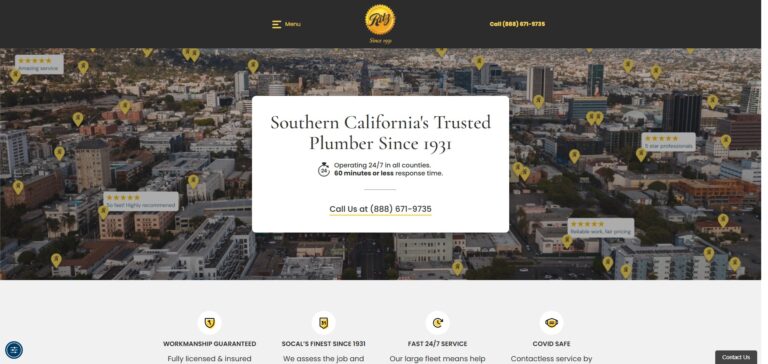
Ritz Plumbing
Ritz Plumbing is your reliable local plumbing expert, proudly serving residential and commercial clients across Southern California. Whether you need urgent emergency repairs or comprehensive system installations, we are dedicated to providing top-notch plumbing solutions paired with outstanding customer service.
- Category
- Business » Business Services » Domestic Services
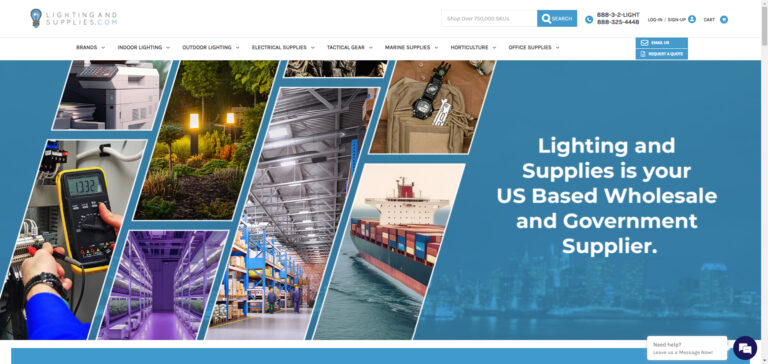
Lighting and Supplies
Lighting and Supplies (Lightingandsupplies.com) is your premier destination for safe, efficient LED lighting solutions, catering to commercial and industrial needs. With over 45 years of industry experience and a vast inventory of 100,000’s bulbs, fixtures, and electrical supplies, we offer turnkey solutions for projects of any scale.

OpenTeQ
OpenTeQ’s technology consulting services guide you through your transformation journey, leveraging design, technology, and agility.
- Category
- Computers » Software » Development Companies
More articles like "Beyond the Bottom Line: How Modern Business Creates Value That Lasts"

Threads of Growth: How Business in Textiles and Nonwovens Is Evolving
The textiles and nonwovens sector is a dynamic global business shaped by innovation, sustainability, and changing consumer demand. From apparel and medical materials to industrial applications, the industry continues to expand through technology-driven transformation.

Beyond the Bottom Line: How Modern Business Creates Value, Trust, and Resilience
Business is the organized effort to create value by solving problems for customers while sustaining operations over time. This article explains what makes businesses work today, from strategy and finance to culture, technology, and ethics.

Beyond the Cart: Smarter Shopping for Time, Money, and Peace of Mind
Shopping as a Modern Life Skill Shopping is more than exchanging money for goods—it’s a set of decisions shaped by needs, habits, marketing, and technology. Whether you’re browsing a local market, filling an online cart, or comparing prices across multiple stores, every choice has a trade-off: time versus convenience, quality versus cost, and impulse versus […]
