



Threads of Growth: How Business in Textiles and Nonwovens Is Evolving
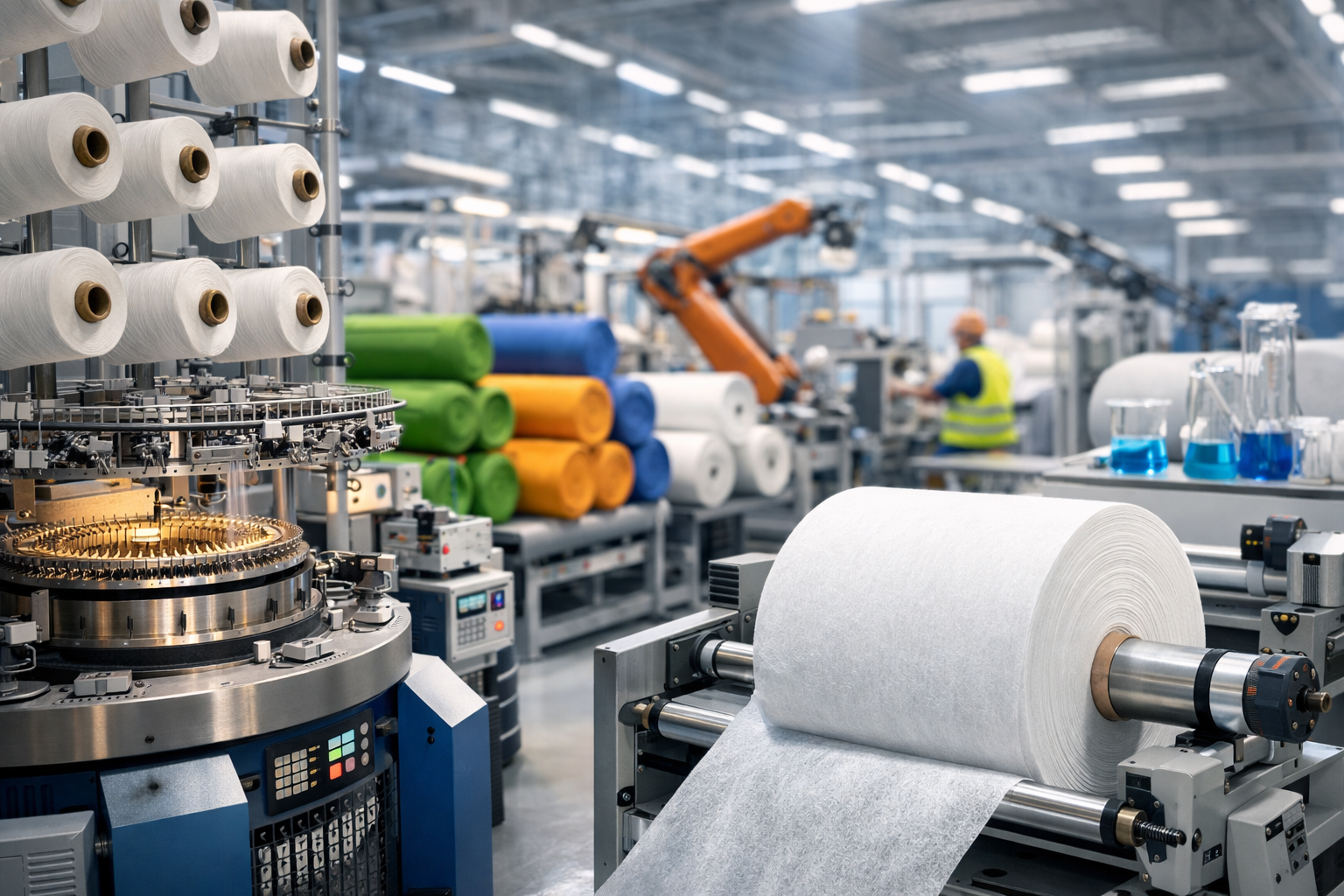
Understanding the Business of Textiles and Nonwovens
The textiles and nonwovens industry is one of the most diverse and influential segments of global manufacturing. It connects agriculture, chemicals, engineering, fashion, healthcare, automotive production, construction, and retail into one broad commercial ecosystem. While traditional textiles are associated with woven and knitted fabrics used in clothing and home furnishings, nonwovens represent a fast-growing category of engineered materials made by bonding or interlocking fibers without conventional weaving or knitting.
From a business perspective, this sector is defined by scale, adaptability, and innovation. Companies operate across complex supply chains that include fiber production, yarn processing, fabric formation, finishing, converting, distribution, and branding. In recent years, market competition has intensified as businesses respond to rising input costs, sustainability pressures, and consumer expectations for performance, quality, and traceability.
What Makes Textiles and Nonwovens Commercially Important?
Textiles remain essential because they serve both everyday and specialized uses. Apparel, bedding, upholstery, and curtains represent familiar product categories, but technical textiles have become equally significant. These include materials for filtration, geotextiles for infrastructure, flame-resistant fabrics, protective clothing, and reinforcement materials for industrial applications.
Nonwovens, in particular, have gained major business value due to their versatility and cost efficiency. They are used in hygiene products, medical gowns, wipes, face masks, insulation, battery separators, packaging, automotive interiors, and agricultural coverings. Their commercial appeal lies in their ability to be engineered for absorbency, softness, strength, barrier protection, or disposability, depending on end-use requirements.
Key reasons the sector matters commercially include:
-
Large and stable demand across consumer and industrial markets
-
Strong innovation potential through new fibers and production technologies
-
High relevance to sustainability and circular economy goals
-
Broad export opportunities in both developed and emerging markets
-
Critical importance to healthcare, hygiene, and infrastructure sectors
Major Business Segments in the Industry
The textiles and nonwovens market is not a single business model but a collection of interdependent segments. Understanding these categories helps explain how value is created and where investment is flowing.
1. Apparel and Fashion Textiles
This is the most visible segment, driven by design trends, seasonal demand, and brand positioning. Businesses in this category focus on fabric aesthetics, comfort, durability, and speed to market. Fast fashion, premium fashion, and performance apparel all influence sourcing strategies and manufacturing methods.
2. Home and Interior Textiles
Products such as bed linen, towels, carpets, curtains, and upholstery fabrics form a significant commercial segment. Demand here is influenced by housing trends, hospitality, and consumer spending on lifestyle improvement.
3. Technical Textiles
Technical textiles are engineered for function rather than appearance. These products often command higher margins because they serve specialized markets such as defense, aerospace, transport, filtration, and construction.
4. Nonwovens for Hygiene and Medical Use
This is one of the fastest-growing areas. Disposable diapers, sanitary products, surgical drapes, wound care materials, and protective medical apparel rely heavily on nonwoven technology. The pandemic highlighted the strategic importance of this segment and accelerated investment in domestic manufacturing capacity in many countries.
5. Industrial and Automotive Applications
Automotive manufacturers use textiles and nonwovens in seat coverings, insulation, headliners, trunk liners, and acoustic materials. Industrial users depend on them for filtration systems, conveyor components, reinforcement, and protective barriers.
Key Trends Shaping the Market
Several structural trends are redefining how businesses compete in textiles and nonwovens. Innovation is no longer limited to color, pattern, or feel; it increasingly includes chemistry, digital integration, and environmental performance.
Sustainability and Circularity
Environmental responsibility has become a central business issue. Brands and manufacturers are investing in recycled fibers, bio-based materials, water-saving dyeing processes, and lower-emission production systems. Customers, regulators, and investors increasingly expect evidence of responsible sourcing and reduced waste.
In nonwovens, the sustainability challenge is especially important because many products are disposable. Businesses are exploring biodegradable feedstocks, recyclable structures, and more efficient material usage to reduce environmental impact while preserving product performance.
Automation and Smart Manufacturing
Automation is helping producers improve quality control, labor efficiency, and output consistency. Digitally monitored machinery, real-time defect detection, and predictive maintenance systems are reducing downtime and improving profitability. Smart factories can also respond more quickly to changing order volumes and custom product specifications.
Performance-Driven Product Development
Customers increasingly demand more than basic functionality. Moisture management, antimicrobial finishes, breathability, thermal regulation, lightweight strength, and fire resistance have become key selling points. In technical markets, performance often determines market access and pricing power.
Supply Chain Transparency
Retailers and end users want to know where raw materials come from, how products are made, and whether labor and environmental standards are being met. As a result, traceability tools and supplier audits are becoming essential parts of business operations.
Challenges Facing Textile and Nonwoven Businesses
Despite its opportunities, the industry faces significant pressure. Raw material price volatility can quickly affect profit margins, especially when petroleum-based fibers, cotton, pulp, and chemicals fluctuate in cost. Energy expenses and logistics disruptions also create uncertainty.
Another challenge is balancing affordability with sustainability. Many buyers want environmentally improved products but remain sensitive to price. Businesses must therefore invest in process efficiency and product design to make sustainable solutions commercially viable.
Global competition is also intense. Producers in different regions compete on labor cost, technological capability, trade access, and quality standards. Smaller companies may struggle unless they differentiate through specialization, agility, or service.
Growth Opportunities Ahead
The outlook for textiles and nonwovens remains promising, particularly in value-added and innovation-led segments. Healthcare demand, urban infrastructure development, electric vehicles, filtration needs, and consumer interest in functional materials are opening new revenue streams.
Businesses that are likely to succeed will combine operational efficiency with product innovation and strong sustainability credentials. Strategic partnerships across the supply chain, investment in research and development, and responsive manufacturing models can help firms build resilience in a competitive market.
Ultimately, textiles and nonwovens are no longer viewed simply as commodity materials. They are increasingly recognized as advanced business platforms that enable comfort, safety, hygiene, mobility, and environmental performance. For manufacturers, suppliers, investors, and brands, this industry offers substantial long-term potential for those prepared to evolve with changing market demands.
Listings related to article "Threads of Growth: How Business in Textiles and Nonwovens Is Evolving"
Lighting and Supplies
Lighting and Supplies (Lightingandsupplies.com) is your premier destination for safe, efficient LED lighting solutions, catering to commercial and industrial needs. With over 45 years of industry experience and a vast inventory of 100,000’s bulbs, fixtures, and electrical supplies, we offer turnkey solutions for projects of any scale.

Pars Market Middle Eastern Mediterranean Grocery Shop
Pars Market, a family-owned and operated business established in 2009, is Howard County’s ultimate destination for all your smoke shop needs. Our mission is to offer quality service and products at affordable prices. Explore our extensive selection of smoke shop products, from hookah and shisha to glass and silicone pipes, Delta-8, CBD, Kratom, Kava, and more.
- Category
- Shopping » Tobacco » Cigarettes » Shopping » Tobacco

The Shirvanian Law Firm
The Shirvanian Law Firm, located in four California cities (Glendale, Bakersfield, Riverside, and Sacramento), specializes in personal injury cases, particularly motor vehicle accident claims and other negligence-related matters such as wrongful death, premises liability (e.g., slip and fall incidents), and product liability. Our dedicated team of injury attorneys is committed to securing maximum compensation and facilitating your recovery by ensuring you receive the necessary medical care.
More articles like "Threads of Growth: How Business in Textiles and Nonwovens Is Evolving"

Beyond the Bottom Line: How Modern Business Creates Value That Lasts
Business is more than buying and selling—it is an evolving system for solving problems, coordinating people, and creating sustainable value. This article explains core business functions, modern models, and practical levers for building resilient organizations.

Beyond the Bottom Line: How Modern Business Creates Value, Trust, and Resilience
Business is the organized effort to create value by solving problems for customers while sustaining operations over time. This article explains what makes businesses work today, from strategy and finance to culture, technology, and ethics.

Understanding Real-Time Operating Systems: What You Need to Know
In our increasingly interconnected and digital world, the need for real-time responsiveness has become paramount. Real-time operating systems (RTOS) play a vital role in achieving this by providing a framework for controlling and managing applications that require precise and predictable timing. In this article, we’ll explore the concept of RTOS, its key features, and its […]
