



Women’s Health Across Life Stages: Building Strength, Balance, and Long-Term Well-Being
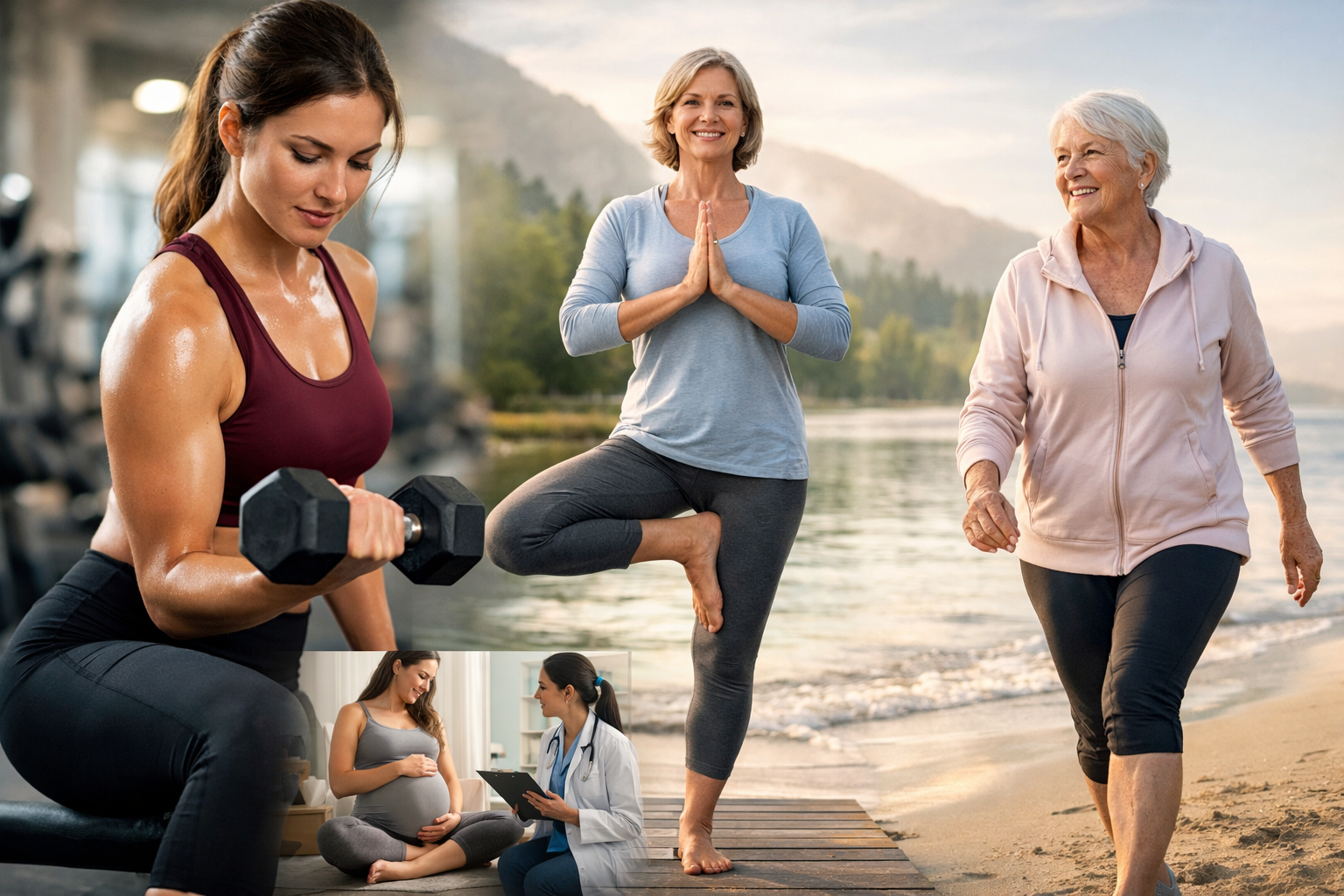
Understanding Women’s Health as a Lifelong Journey
Women’s health is far more than reproductive care. It includes physical, mental, hormonal, emotional, and social well-being from adolescence through older adulthood. While some health needs are shared by everyone, women often experience unique risks and symptoms related to hormonal cycles, pregnancy, menopause, bone density, autoimmune conditions, and cardiovascular disease. Taking a whole-person approach helps women recognize changes early, seek the right care, and maintain a better quality of life over time.
Good health is not built through one major decision, but through many consistent choices: balanced nutrition, regular movement, quality sleep, stress management, preventive screenings, and timely medical attention. Understanding how health priorities evolve through different life stages allows women to make informed decisions that support both immediate and future well-being.
Key Foundations of Women’s Health
Nutrition and Energy Needs
Nutrition plays a central role in supporting hormones, metabolism, bone health, and immune function. Women may have specific nutritional needs at different ages, especially for iron, calcium, vitamin D, folate, protein, and omega-3 fats. Menstruation can increase the risk of iron deficiency, while pregnancy and breastfeeding raise demands for several nutrients. Later in life, calcium and vitamin D become especially important for maintaining bone strength.
A balanced eating pattern should focus on whole foods such as vegetables, fruits, legumes, whole grains, nuts, seeds, lean proteins, and healthy fats. Limiting highly processed foods, excess sugar, and frequent alcohol intake may also help reduce inflammation and support weight, mood, and heart health.
- Include iron-rich foods like beans, lentils, spinach, fortified cereals, eggs, and lean meats.
- Prioritize calcium sources such as yogurt, milk, fortified plant beverages, tofu, and leafy greens.
- Choose fiber-rich foods to support digestion, blood sugar control, and heart health.
- Stay hydrated throughout the day, especially during exercise, pregnancy, or hot weather.
Exercise and Physical Strength
Regular physical activity supports nearly every aspect of women’s health. Exercise helps improve cardiovascular fitness, maintain a healthy weight, strengthen bones and muscles, reduce stress, improve sleep, and lower the risk of chronic disease. It can also ease menstrual discomfort for some women and support mental health through the release of mood-regulating chemicals.
A well-rounded routine should include aerobic movement, strength training, flexibility, and balance exercises. Strength training is especially valuable because it helps preserve muscle mass and supports bone density, both of which become increasingly important with age.
Mental and Emotional Well-Being
Mental health is a vital part of women’s health, yet it is often overlooked. Women may experience anxiety, depression, burnout, and chronic stress linked to hormonal shifts, caregiving responsibilities, workplace pressure, social expectations, or major life changes. Conditions such as premenstrual dysphoric disorder, postpartum depression, and perimenopausal mood changes can further affect emotional balance.
Protecting mental well-being may involve setting boundaries, maintaining supportive relationships, practicing mindfulness, seeking therapy, and asking for help when needed. Emotional symptoms should never be dismissed as “just hormones,” especially when they interfere with daily life, sleep, appetite, or relationships.
Important Health Concerns by Life Stage
Adolescence and Early Adulthood
During the teenage years and early adulthood, the body undergoes major hormonal and physical development. Menstrual health becomes an important indicator of overall wellness. Irregular periods can be common in the beginning, but severe pain, very heavy bleeding, or long-term irregularity may need medical evaluation. Early habits related to food, exercise, sleep, and body image can also shape future health.
This stage is also important for sexual health education, HPV vaccination, safe relationships, and building confidence in how to access healthcare independently.
Reproductive Years
During the reproductive years, women may focus on contraception, fertility, pregnancy planning, menstrual symptoms, and work-life balance. Conditions such as polycystic ovary syndrome, endometriosis, thyroid disorders, and fibroids can affect energy, pain levels, and reproductive health. Regular checkups are essential, especially when symptoms are persistent or disruptive.
Women who are planning pregnancy benefit from early preconception care, including folic acid intake, medication review, management of chronic conditions, and lifestyle adjustments that support maternal and fetal health.
Pregnancy and Postpartum Health
Pregnancy brings major physical and emotional changes. Prenatal care helps monitor blood pressure, blood sugar, fetal growth, and nutritional needs while identifying complications early. After birth, postpartum recovery deserves equal attention. Healing, sleep disruption, breastfeeding challenges, pelvic floor concerns, and mood disorders can all affect recovery.
Postpartum care should include support for mental health, physical recovery, and realistic expectations. New mothers benefit from strong social support and clear communication with healthcare professionals about pain, bleeding, sadness, anxiety, or exhaustion.
Perimenopause and Menopause
Perimenopause can begin years before menopause and often includes irregular periods, hot flashes, mood changes, sleep problems, and shifts in metabolism. Menopause itself marks the end of menstrual cycles, but it is not a disease. It is a natural transition that may, however, increase the risk of osteoporosis, heart disease, and urogenital symptoms.
Women in this stage often benefit from a combination of lifestyle strategies, medical guidance, and symptom management plans tailored to their needs. Open discussions about hormone therapy, bone density, sleep, and sexual health are important parts of care.
Preventive Care That Should Not Be Ignored
Preventive healthcare helps detect problems before they become more serious. Screening needs vary by age, family history, and personal risk factors, but regular care remains one of the most effective tools for protecting long-term health.
- Routine blood pressure, cholesterol, and blood sugar checks
- Cervical cancer screening as recommended
- Breast health awareness and appropriate imaging
- Bone health evaluation when indicated
- Skin checks for changing moles or unusual lesions
- Sexual health testing when relevant
- Vaccinations, including flu, HPV, and others based on age and risk
Women should also pay attention to symptoms that are easy to ignore, such as unusual fatigue, persistent bloating, chest discomfort, pelvic pain, sudden weight changes, hair loss, or changes in mood. Early evaluation can make a significant difference.
Creating a Sustainable Approach to Wellness
Women’s health thrives when care is consistent, realistic, and individualized. There is no single perfect routine that works for everyone. Instead, lasting wellness comes from small, sustainable habits and regular attention to the body’s signals. This might mean preparing healthier meals, scheduling overdue screenings, walking daily, prioritizing sleep, or finally discussing troubling symptoms with a doctor.
Most importantly, women should feel empowered to advocate for themselves in healthcare settings. Asking questions, seeking second opinions when necessary, and taking symptoms seriously are essential steps toward better outcomes. When women are supported with accurate information and accessible care, they are better equipped to protect their health at every age.
Listings related to article "Women’s Health Across Life Stages: Building Strength, Balance, and Long-Term Well-Being"

Laureate Aesthetics
Laureate Aesthetics is a boutique medical spa located in Sherman Oaks, California, founded by Nurse Practitioner Liana Sahakyan, RN, MSN, and dedicated to providing personalized, high-end aesthetic treatments that enhance natural beauty.

Gharibian Law
Gharibian Law is a leading firm specializing in elder abuse and personal injury cases, dedicated to defending the rights of seniors and vulnerable individuals. With a strong record of success in nursing home abuse, medical malpractice, and wrongful death cases, the firm is committed to securing justice and holding negligent parties accountable.

Sierra Care
Sierra Care delivers a comprehensive range of high-quality, affordable post-acute and rehabilitation services for individuals recovering from brain, spinal cord, and other severe injuries, as well as complex medical conditions.
- Category
- Health » Medicine » Facilities
More articles like "Women’s Health Across Life Stages: Building Strength, Balance, and Long-Term Well-Being"

Growing Up Connected: Practical Guidance for Kids and Teens Today
Kids and teens face rapid changes in friendships, school, identity, and technology. This guide breaks down what supports healthy development and how adults can help without taking over.

Growing Up Connected: A Practical Guide to Supporting Kids and Teens Today
Kids and teens face rapid changes in school, friendships, and technology, making supportive adults more important than ever. This article explores healthy development, common challenges, and practical ways families and communities can help young people thrive.

Recreation Reimagined: How Playful Time Builds Healthier, Happier Lives
Recreation is more than “free time”—it’s a powerful tool for physical health, mental resilience, social connection, and personal growth. This article explores types of recreation, why it matters, and how to build a realistic recreation routine in modern life.
