



Recreation Reimagined: How Play, Nature, and Leisure Build a Better Life
What Recreation Really Means
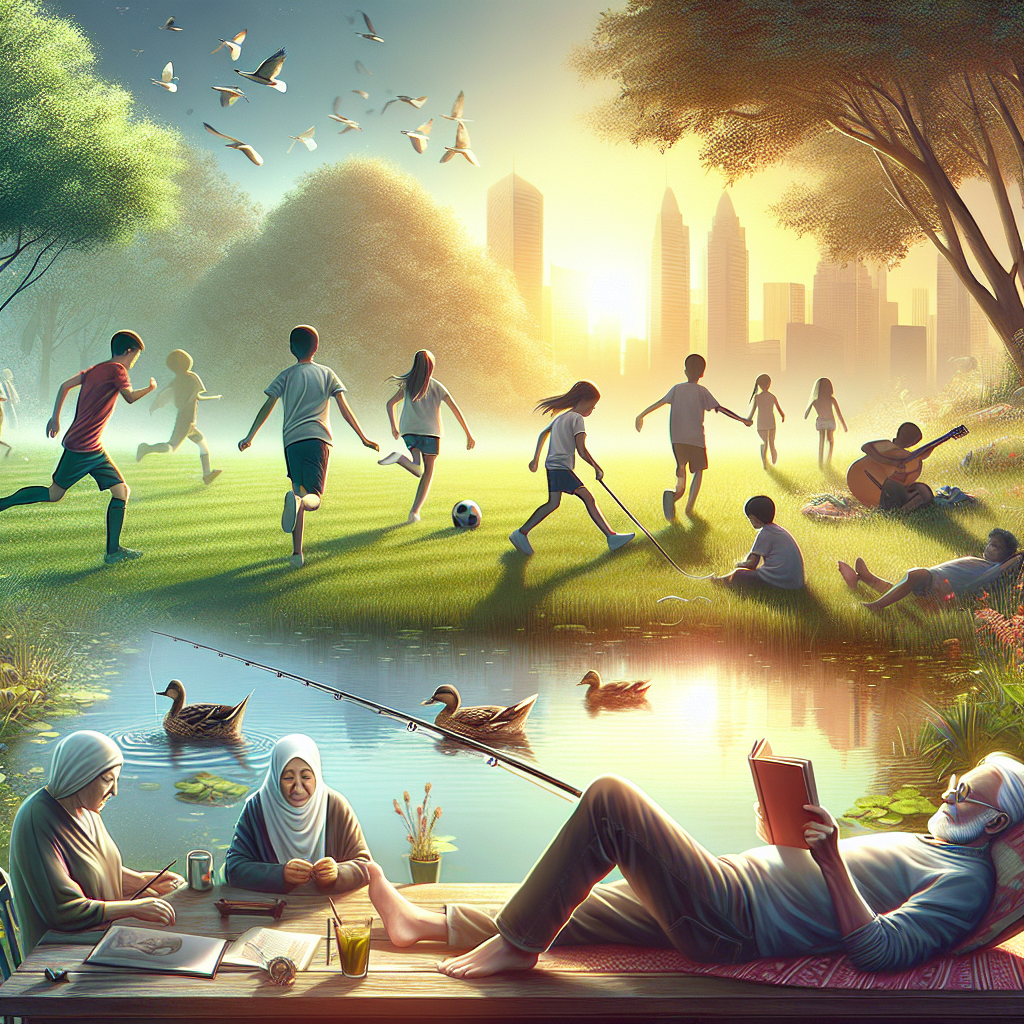
Recreation refers to activities people choose for enjoyment, restoration, and personal fulfillment during their discretionary time. It can be active (like hiking or basketball), creative (like painting or music), social (like game nights), or contemplative (like gardening or reading). What makes an activity “recreational” is not its prestige or intensity but its purpose: it helps you feel renewed rather than depleted.
In modern life, recreation often competes with endless notifications, side hustles, and responsibilities. Yet the need for leisure is not optional. Recreation functions like a reset button for attention, mood, and motivation. It can also be a training ground for values—patience, teamwork, curiosity—without the pressure of performance.
Why Recreation Matters: Benefits That Compound Over Time
Physical health and energy
Many recreational activities naturally involve movement: walking with a friend, swimming, cycling, dancing, or playing casual sports. Even moderate activity improves cardiovascular health, mobility, and sleep quality. The key is consistency. Recreation works best when it’s something you want to do, not something you force yourself to endure.
Mental wellbeing and stress regulation
Recreation gives the mind a structured break from problem-solving and high-stakes decision-making. Activities that absorb your attention—such as drawing, climbing, or team sports—can create a “flow” state where worry fades and time feels different. This mental shift supports stress recovery and can reduce rumination.
Social connection and belonging
Shared leisure builds relationships in a low-pressure setting. A weekly walk, pickup game, or cooking club provides regular contact that sustains friendships and strengthens family bonds. Recreation also helps people find communities based on interests rather than obligations, which is especially valuable after major life transitions like moving, graduating, or changing jobs.
Identity, creativity, and resilience
Recreation is a space to experiment. You can be a beginner, make mistakes, and learn for the joy of learning. Over time, hobbies and recreational skills become part of your identity, which can protect against burnout. When work is stressful, having a meaningful leisure outlet reminds you that your life contains more than deadlines.
Types of Recreation: Finding What Fits
Recreation is not one-size-fits-all. Consider these broad categories and how they might match your energy, resources, and schedule:
- Outdoor recreation: hiking, kayaking, birdwatching, camping, trail running, beach walks.
- Indoor and home-based recreation: board games, cooking, reading, crafts, home workouts, music practice.
- Social recreation: community leagues, dance classes, volunteering events, trivia nights, group fitness.
- Creative recreation: photography, writing, pottery, woodworking, knitting, filmmaking.
- Mindful and restorative recreation: yoga, tai chi, meditation, gardening, slow cycling, quiet nature time.
- Digital recreation: video games, virtual meetups, digital art—best when intentional and bounded.
The most sustainable mix often includes at least one activity that raises your heart rate, one that calms your nervous system, and one that strengthens social ties.
Recreation Across Life Stages
Children and teens
For young people, recreation supports motor skills, emotional regulation, and social development. Unstructured play is especially valuable because it builds creativity and problem-solving. Over-scheduling can turn recreation into another performance arena, so leaving room for free play matters.
Adults balancing work and family
Time scarcity is real, so recreational choices must be practical. Micro-recreation—short, repeatable activities—can be surprisingly effective: a 20-minute walk after dinner, a weekend morning bike ride, or a monthly meetup with friends. The goal is less about duration and more about reliability.
Older adults
Recreation can support healthy aging by maintaining strength, balance, and cognitive engagement. Activities like swimming, group walking, dancing, and gentle strength training combine physical movement with community. Creative hobbies also provide purpose and a sense of progress.
How to Build a Recreation Routine That Actually Sticks
Start with your “why”
Ask what you need right now: more energy, more calm, more social contact, or more creativity. Choosing an activity aligned with a current need makes follow-through easier.
Lower the barrier to entry
Make recreation frictionless. Keep gear visible, pick nearby locations, and choose activities that don’t require complex setup. If cost is a concern, libraries, community centers, public parks, and free local groups can provide rich options.
Use the “small but scheduled” rule
A short, scheduled session beats a long session that never happens. Try setting two non-negotiable recreational blocks per week, even if they’re only 30 minutes each. Treat them as appointments with your future self.
Mix novelty with familiarity
Familiar routines reduce decision fatigue, while novelty prevents boredom. For example, keep a regular walking route on weekdays and explore a new park once a month.
Track enjoyment, not just performance
Recreation loses its restorative power when it becomes only about metrics. Instead of focusing solely on speed, scores, or streaks, note what improved your mood, sleep, or sense of connection.
Common Obstacles—and Practical Fixes
- “I don’t have time.” Choose micro-recreation (10–20 minutes) and pair it with existing habits, like walking during phone calls or stretching while watching a show.
- “I’m too tired.” Pick restorative options first (gentle movement, nature time, warm-water swimming) and build up gradually.
- “I’m not good at anything.” Beginner status is part of the benefit. Take low-pressure classes or follow beginner-friendly videos with a focus on learning, not outcomes.
- “It’s too expensive.” Use public spaces, borrow equipment, join swap groups, or try no-cost hobbies like writing, walking, or calisthenics.
- “I can’t stay consistent.” Anchor recreation to a specific day/time and add social accountability (a friend, a group, a class).
Recreation as a Personal and Community Resource
On an individual level, recreation restores attention, strengthens the body, and supports emotional balance. On a community level, it builds shared spaces and shared experiences—parks, trails, sports leagues, cultural festivals—where people feel connected. When cities invest in accessible recreation, they invest in public health, social cohesion, and quality of life.
Ultimately, recreation is not a reward you earn after life is finished; it is one of the ways life becomes livable. By choosing leisure deliberately—matching activities to your needs, keeping them accessible, and protecting them on the calendar—you create a renewable source of energy and meaning.
Listings related to article "Recreation Reimagined: How Play, Nature, and Leisure Build a Better Life"
Basement Foundation Repair Muskegon
Basement foundation repair, crack sealing, wall support, moisture protection, and structural stabilization services in Muskegon, Michigan.

Pier and Beam Foundation Repair Midland
Pier and beam foundation repair, inspections, house leveling, crawl-space support, and structural stabilization services in Midland, Michigan.

Metal Roofing Waltham
Metal roofing, roof installation, roof repair, roof replacement, inspections, and commercial roofing services in Waltham, Massachusetts.
- Category
- Business » Construction and Maintenance » Roofing
More articles like "Recreation Reimagined: How Play, Nature, and Leisure Build a Better Life"

Beyond the Whistle: Why Informal Sports Matter More Than Ever
Informal sports turn parks, streets, beaches, and backyards into spaces for movement, connection, and creativity. They offer flexible, low-cost ways to stay active while building community and confidence.
Recreation Reimagined: How Play, Nature, and Leisure Build Better Lives
Recreation is more than entertainment—it’s a vital practice that supports physical health, mental resilience, and social connection. From outdoor adventures to creative hobbies, intentional leisure can strengthen communities and improve everyday well-being.
Growing Up Connected: A Practical Guide to Supporting Kids and Teens Today
Kids and teens face rapid changes in school, friendships, and technology, making supportive adults more important than ever. This article explores healthy development, common challenges, and practical ways families and communities can help young people thrive.
