



Mastering Comma Usage: A Comprehensive Guide
Clear and effective writing relies on proper punctuation, and one punctuation mark that often poses a challenge is the comma. Whether you’re writing a formal essay, an email, or a creative piece, understanding how to use commas correctly can greatly enhance your communication. In this guide, we’ll explore the essential rules for using commas effectively.
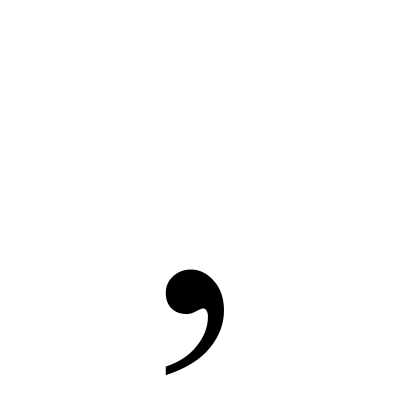
- Separating Items in a List: The Oxford comma, a comma placed before the conjunction in a list of three or more items, is a subject of debate. However, it can prevent ambiguity. For instance, consider the difference in meaning between “I invited my parents, Harry, and Hermione” and “I invited my parents, Harry and Hermione.” Use the Oxford comma to avoid confusion.
- Coordinating Independent Clauses: When connecting two complete sentences (independent clauses) with a coordinating conjunction (and, but, or, nor, for, so, yet), use a comma before the conjunction. Example: “She wanted to attend the party, but he had other plans.”
- Introducing Sentences: Commas come after introductory words, phrases, or clauses. For instance, “After a long day at work, I enjoyed a relaxing evening.”
- Setting Off Non-Essential Information: Use commas to enclose non-essential information within a sentence, making it clearer. Example: “The movie, which was released last week, received rave reviews.”
- Separating Coordinate Adjectives: When two or more adjectives equally modify a noun, use a comma between them. For example, “He had a tall, imposing presence.”
- Quotations: Commas separate quoted speech from the rest of the sentence. Example: “She exclaimed, ‘I can’t believe it!'”
- Dates and Addresses: Commas are used in dates and addresses. Example: “Her birthday is on July 10, 1995, in Los Angeles, California.”
- Dependent Clauses: If a sentence begins with a dependent clause, use a comma after it. Example: “Although it was raining, they decided to go for a picnic.”
- Contrasting Elements: Commas highlight contrasts in sentences. Example: “His approach was cautious, while hers was daring.”
Remember, maintaining a balance is crucial; overusing commas can clutter your writing. Strive for clarity and readability. As style guides may vary, pick one and stick to its rules. Reading your work aloud helps identify natural pauses, aiding in accurate comma placement.
Incorporating commas correctly enhances your writing’s rhythm, making it easier for readers to follow your ideas. By mastering comma usage, you’ll refine your writing skills and convey your thoughts with precision.
Listings related to article "Mastering Comma Usage: A Comprehensive Guide"
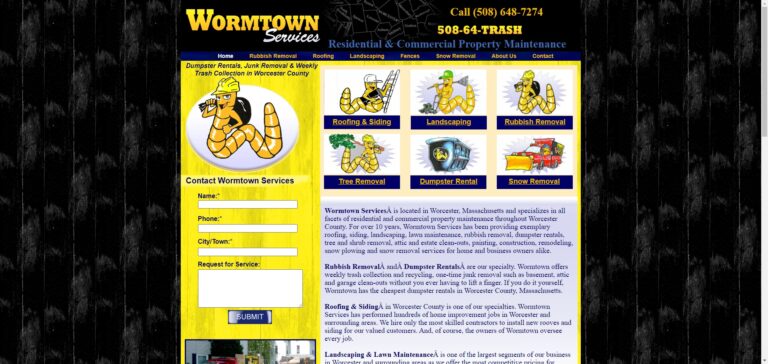
Wormtown Dumpster Rentals & Junk Removal
Wormtown Services LLC stands tall as one of Worcester, Massachusetts’ largest and most reliable residential and commercial dumpster rental companies, serving Worcester County. Their wide-ranging services include 10-yard, 15-yard, and 20-yard dumpster rentals, catering to various needs.
- Category
- Business » Environment » Waste Management
More articles like "Mastering Comma Usage: A Comprehensive Guide"

Reference Guide to Parliamentary Procedure: Rules, Motions, and Meeting Order
Parliamentary procedure provides a structured way for groups to deliberate, decide, and record actions fairly. This guide explains its core principles, common motions, and practical meeting rules in clear terms.

The Power of Reference: How Context, Sources, and Links Shape What We Know
What “Reference” Really Means A reference is anything that points beyond itself to provide identification, context, support, or direction. In everyday life, references help us verify claims, find information again, or connect one idea to another. In professional settings, references become the backbone of credibility: they show where an idea came from, how a decision […]

Shopping Smarter: From Impulse to Intent in a World of Endless Choice
The Modern Meaning of Shopping Shopping is no longer just the act of buying what you need. It has become a blend of problem-solving, entertainment, habit, and personal expression. Whether you’re comparing prices on your phone, strolling a local market, or subscribing to monthly essentials, shopping reflects how you manage time, money, values, and even […]
