



Beyond the Scoreboard: How Sports Shape Bodies, Minds, and Communities
The Many Meanings of Sports
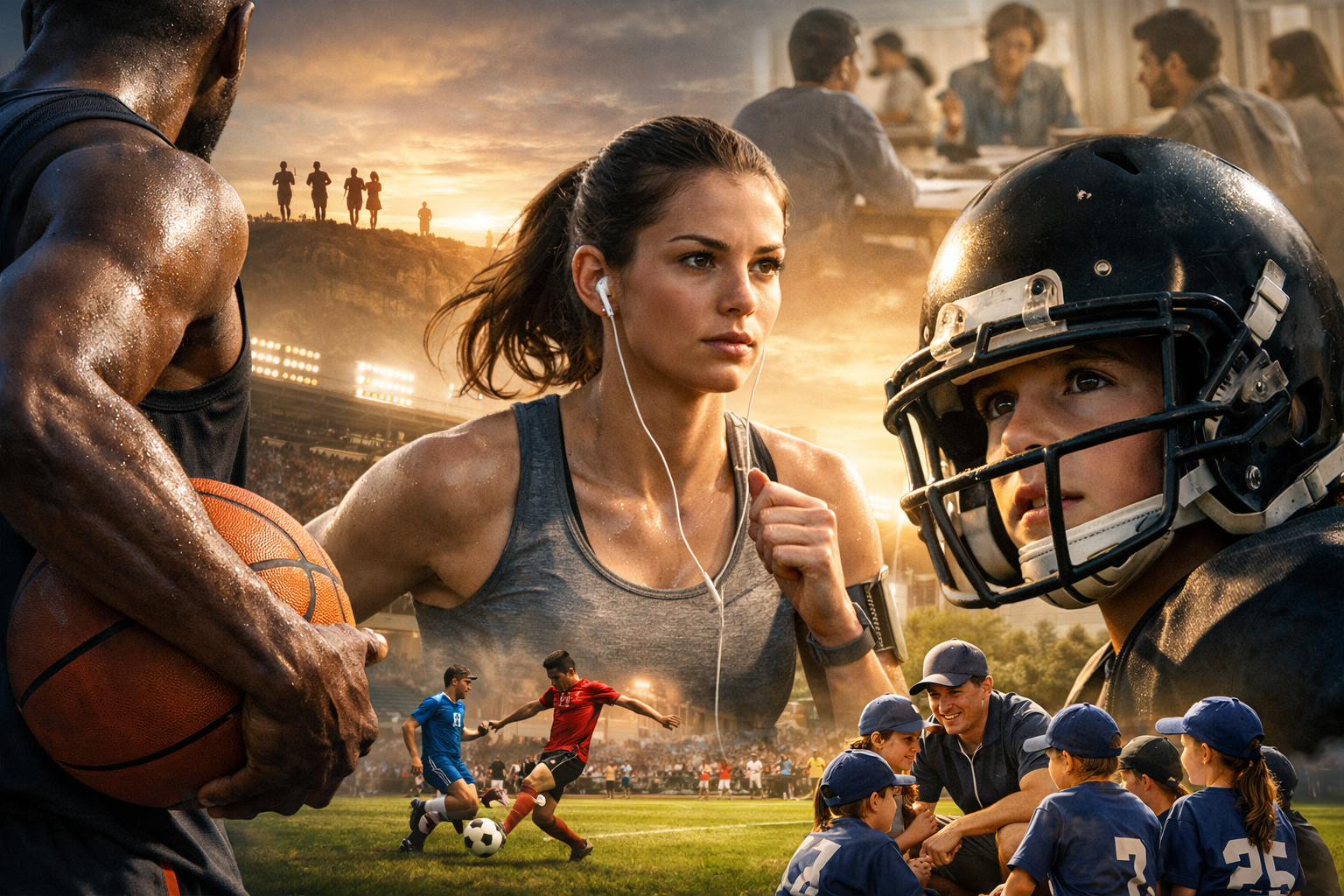
Sports are organized physical activities governed by rules, measured outcomes, and a shared understanding of fair play. At one level, they are entertainment—fast, dramatic, and emotionally charged. At another, they are a social institution that teaches cooperation, goal-setting, resilience, and respect. Whether it’s a pickup game of basketball in a neighborhood park or a professional tournament watched by millions, sports provide a structured arena where human performance, strategy, and teamwork are tested in public.
What makes sports uniquely powerful is their accessibility and adaptability. They can be competitive or purely recreational, individual or team-based, high-tech or minimal-equipment. This flexibility allows sports to meet people where they are—across ages, abilities, and cultures.
Physical Benefits: Fitness with a Purpose
Unlike exercise that can feel repetitive, sports embed fitness inside a game. Training becomes meaningful because it supports a goal: defending better, running longer, jumping higher, or improving technique. Many sports develop multiple fitness dimensions at once.
- Cardiovascular endurance: Common in soccer, swimming, basketball, and distance running, improving heart and lung function.
- Strength and power: Developed through sports like wrestling, rowing, sprinting, and weightlifting-based training.
- Coordination and balance: Essential in gymnastics, tennis, martial arts, and skating.
- Mobility and flexibility: Enhanced through dynamic movement patterns in sports such as volleyball and hockey, and through supporting routines like stretching.
Just as important, sports encourage consistency. A weekly league, team practice, or scheduled class reduces the “decision fatigue” that often undermines personal fitness goals.
Mental Skills: Confidence, Focus, and Resilience
Sports train the mind as much as the body. Athletes learn to handle pressure, manage time, and recover from mistakes quickly. A missed shot, a false start, or an unexpected loss becomes a lesson rather than a dead end—especially when coached well.
Key psychological skills sports develop
- Attention control: Staying present during distractions, such as crowd noise or a shifting game plan.
- Emotional regulation: Keeping composure after a foul, a poor call, or a setback.
- Growth mindset: Treating performance as improvable through practice and feedback.
- Goal setting: Translating ambition into measurable steps, like improving a personal record or mastering a skill.
For many people, sports also serve as an anchor for mental well-being. Regular movement, social support, and a sense of belonging can reduce stress and create a positive routine—especially when the environment is inclusive and supportive.
Teamwork and Leadership: Social Learning in Motion
Team sports are laboratories for human interaction. Players must communicate quickly, share responsibility, and trust others in real time. Even individual sports—like track, tennis, or cycling—often involve coaches, training partners, and supportive communities.
Leadership in sports isn’t limited to captains. It shows up when a player encourages a teammate after an error, follows a plan under pressure, or models discipline in practice. These behaviors translate directly into school, work, and community life.
Culture and Identity: Why Sports Matter Beyond the Field
Sports create stories that communities tell about themselves. Local clubs become symbols of pride. Major tournaments become shared reference points across generations. Sports can bridge language and social barriers because the goals—score points, finish first, play well—are universally understood.
At the same time, sports can reflect broader social issues. Debates about access, gender equity, disability inclusion, safety, and fair compensation are part of the modern sports landscape. When handled responsibly, sports can be a platform for progress: expanding participation, improving policies, and challenging stereotypes.
Training, Recovery, and Injury Prevention
Enjoying sports long-term depends on how athletes train and recover. Many injuries stem from doing too much too soon, repeating the same movement patterns without balance, or ignoring early warning signs like persistent pain and fatigue.
Habits that support safer participation
- Warm-up and cool-down: Gradually raise heart rate, prepare joints, and reduce stiffness afterward.
- Progressive workload: Increase intensity and volume in small steps to allow adaptation.
- Strength training: Builds resilient muscles and connective tissue, supporting joints and reducing injury risk.
- Sleep and nutrition: Key for recovery, concentration, and consistent energy.
- Rest days: Essential for repairing tissue and preventing burnout.
Good coaching matters here. Coaches who prioritize skill development, safe technique, and athlete well-being help participants stay healthier—and enjoy the game more.
Technology and Data: The Modern Edge
Sports have become increasingly data-informed. Wearables measure heart rate, speed, and workload. Video analysis breaks down technique frame by frame. Advanced equipment—from running shoes to tennis rackets—aims to improve performance and reduce strain.
While technology can enhance training, it also raises questions: Do expensive tools widen the gap between resource-rich and resource-limited athletes? How should organizations handle biometric data responsibly? The best approach treats technology as a tool, not a substitute for fundamentals like consistent practice, sound coaching, and healthy habits.
Choosing the Right Sport for You
The “best” sport is the one you can sustain—physically, socially, and emotionally. People thrive when the activity matches their personality and goals.
- If you like strategy and bursts of intensity: Try basketball, soccer, or hockey.
- If you prefer individual progress: Consider swimming, running, martial arts, or climbing.
- If you want low-impact options: Explore rowing machines, cycling, or certain forms of court sports with modified play.
- If community motivates you: Join leagues, clubs, or group training classes.
Starting small helps. A beginner-friendly class, a recreational league, or a short weekly commitment can build confidence and consistency without overwhelming you.
Why Sports Endure
Sports endure because they combine effort and meaning. They reward practice, highlight creativity under constraints, and connect individuals to something larger than themselves—whether that’s a team, a tradition, or a community. In a world where many activities are passive, sports invite participation: to move, to learn, to compete, and to belong. Beyond the scoreboard, that invitation is what keeps people coming back.
Listings related to article "Beyond the Scoreboard: How Sports Shape Bodies, Minds, and Communities"

Basement Foundation Repair Muskegon
Basement foundation repair, crack sealing, wall support, moisture protection, and structural stabilization services in Muskegon, Michigan.

Pier and Beam Foundation Repair Midland
Pier and beam foundation repair, inspections, house leveling, crawl-space support, and structural stabilization services in Midland, Michigan.

Shreveport Foundation Repair
Foundation inspections, crack repair, leak repair, house leveling, slab repair, crawl-space services, and waterproofing in Shreveport, Louisiana.
More articles like "Beyond the Scoreboard: How Sports Shape Bodies, Minds, and Communities"
Beyond the Whistle: Why Informal Sports Matter More Than Ever
Informal sports turn parks, streets, beaches, and backyards into spaces for movement, connection, and creativity. They offer flexible, low-cost ways to stay active while building community and confidence.
Recreation Reimagined: How Play, Nature, and Leisure Build Better Lives
Recreation is more than entertainment—it’s a vital practice that supports physical health, mental resilience, and social connection. From outdoor adventures to creative hobbies, intentional leisure can strengthen communities and improve everyday well-being.
Recreation Reimagined: How Playful Time Builds Healthier, Happier Lives
Recreation is more than “free time”—it’s a powerful tool for physical health, mental resilience, social connection, and personal growth. This article explores types of recreation, why it matters, and how to build a realistic recreation routine in modern life.
