



More Than a Game: How Sports Shape Bodies, Minds, and Communities
The Many Meanings of Sports
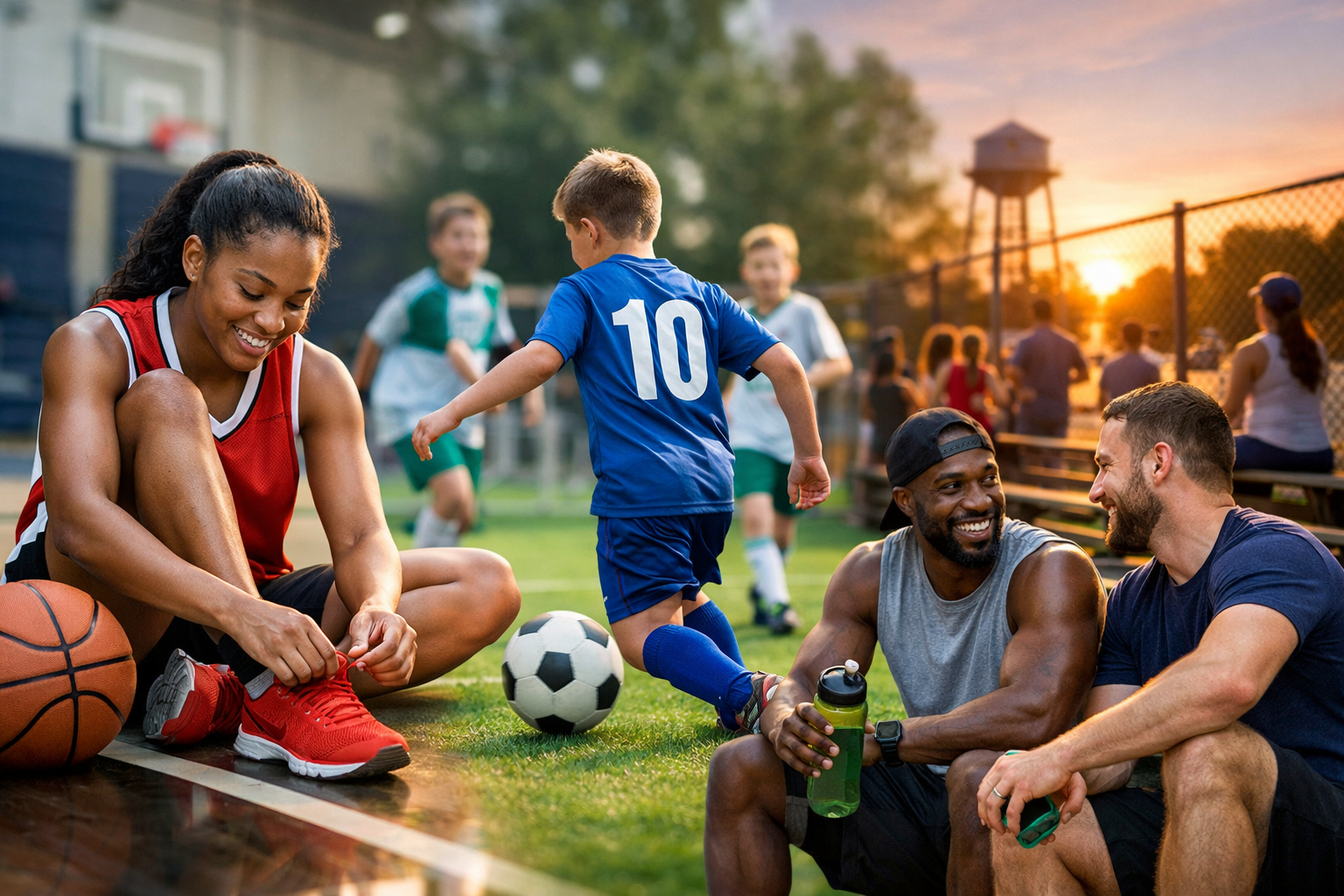
Sports are often described as games, competitions, or entertainment, but their impact reaches further. At their best, sports provide a structured way to test ability, manage pressure, and cooperate toward a goal—whether that goal is winning a championship, breaking a personal record, or simply finishing a first 5K. Across cultures, sports also act as social rituals: they create heroes and rivalries, anchor traditions, and offer communities a shared story to follow.
What makes sports enduring is their balance of simplicity and depth. A ball, a track, a net, or a set of rules can be enough to start. Yet underneath the surface lie complex layers of biomechanics, psychology, teamwork, and decision-making that can take a lifetime to master.
Physical Benefits: Health, Performance, and Lifelong Movement
The most visible value of sports is physical. Regular participation improves cardiovascular fitness, muscular strength, mobility, coordination, and bone density. It can support healthy weight management and reduce risk factors associated with chronic conditions such as heart disease and type 2 diabetes.
Why variety matters
Different sports develop different athletic qualities. Endurance sports emphasize aerobic capacity, while strength- and power-based sports emphasize explosive output and stability. Team sports often combine repeated sprints with agility and reactive decision-making, creating a well-rounded fitness profile.
- Endurance-focused: Running, cycling, rowing build aerobic efficiency and stamina.
- Power and speed-focused: Sprinting, weightlifting, jumping events train explosive force.
- Coordination-focused: Gymnastics, tennis, baseball refine timing and fine motor control.
- Multi-skill team sports: Soccer, basketball, hockey develop agility, spatial awareness, and repeated high-intensity effort.
Sports can also encourage consistent habits. Training schedules and seasonal goals give structure to physical activity, making it easier to stay active across years rather than relying on short-lived motivation.
Mental Skills: Confidence, Resilience, and Focus
Sports are a practical training ground for psychological skills. Athletes regularly face uncertainty—opponents, weather, refereeing decisions, and the randomness of outcomes. Learning to operate within that uncertainty builds resilience and emotional regulation.
Key mental skills developed through sport
- Goal-setting: Translating big ambitions into daily actions (practice routines, recovery, technique work).
- Attention control: Staying present under pressure and returning focus after mistakes.
- Confidence: Building self-trust through repetition, feedback, and measurable progress.
- Stress management: Performing despite nerves, fatigue, or high stakes.
For many people, sports also offer a healthy outlet for emotion and a sense of identity—especially during adolescence. Importantly, the benefits are strongest when coaches, parents, and organizations prioritize learning and well-being over fear of failure.
Social and Cultural Impact: Belonging, Identity, and Shared Values
Sports bring people together in ways few activities can. A local club can create friendships across ages and backgrounds, and a school team can foster pride and connection. At the professional level, sports can shape national identity, influence language and fashion, and generate traditions that last generations.
Community building in action
Community sport offers more than play. It can provide mentorship, safe spaces for youth, and accessible entry points into healthy lifestyles. Volunteer coaches and community organizers often become quiet pillars of public health and social development, especially where recreational resources are limited.
- Sports leagues create routine and social support.
- Fans build bonds through shared rituals and friendly rivalry.
- Events can raise funds and awareness for local causes.
At the same time, sports mirror society’s challenges—inequality, bias, and barriers to participation. Efforts to expand access, improve inclusion, and promote safe environments are not “extras”; they are central to making sports live up to their ideals.
The Strategy Layer: Decision-Making at Speed
Whether it’s a quarterback reading a defense, a chess-like sequence in martial arts, or a cyclist choosing when to attack, sports reward the ability to make good decisions quickly. Strategy involves understanding probabilities, anticipating others’ actions, and balancing risk versus reward.
Modern coaching often blends traditional experience with detailed analysis. Teams study tendencies, track performance metrics, and build game plans that leverage strengths while targeting opponents’ weaknesses. For recreational athletes, strategy can be as simple as pacing properly, choosing smart shots, or knowing when to rest.
Training Smarter: Recovery, Nutrition, and Injury Prevention
Improvement is not just about working harder; it’s about adapting. Training stresses the body, and recovery is where growth occurs. Sleep, nutrition, and appropriate rest days are foundational for performance and long-term participation.
Practical pillars of sustainable training
- Progressive load: Increase intensity or volume gradually to reduce injury risk.
- Technique and mechanics: Efficient movement protects joints and boosts performance.
- Strength and mobility work: Support muscles and improve control through full ranges of motion.
- Fuel and hydration: Match intake to training demands; prioritize consistent, balanced nutrition.
- Recovery routines: Sleep, light movement, and stress management keep athletes available to train.
Injury prevention is also cultural. When teams treat pain as a badge of honor or ignore early warning signs, minor problems can become long absences. A healthier approach emphasizes honest communication, qualified medical support, and return-to-play decisions based on readiness rather than timelines.
Technology and the Future of Sports
Technology is reshaping how sports are played, watched, and officiated. Wearable sensors track workload and recovery; video analysis improves technique; and data helps teams make decisions from scouting to tactics. Fans experience games through multiple camera angles, real-time statistics, and interactive media.
Yet the heart of sports remains human: competition, creativity, and connection. As technology advances, the most important question will be how to use tools to support fairness, safety, and enjoyment—without erasing spontaneity or widening access gaps.
Finding Your Place in Sports
Sports are not only for elite athletes. They can be individual or team-based, competitive or casual, structured or improvisational. The best choice is one you can practice consistently and enjoy. Start small, build skills gradually, and focus on environments that encourage learning, respect, and inclusion. In doing so, sports become more than an activity—they become a lifelong source of health, challenge, and community.
Listings related to article "More Than a Game: How Sports Shape Bodies, Minds, and Communities"
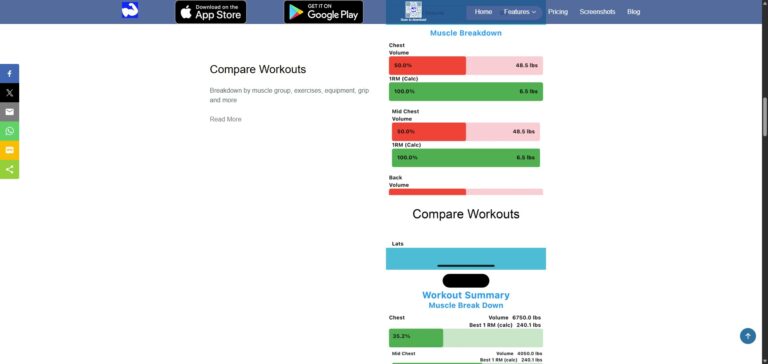
Best Free Workout Tracker, Planner and Logger App
A user-friendly tool for effortless workout planning, exercise tracking, routine organization, goal setting, and client management.
- Category
- Health » Fitness » Personal Training

Top-Rated Computer and Mac Repair Services in Miami
Looking for reliable computer and Mac repair services in Miami? Our experienced technicians offer quick, professional solutions for all kinds of devices—including laptops, desktops, iMacs, MacBooks, and more. Whether you’re facing hardware failures, software glitches, system crashes, or need an upgrade, we’re here to help.
- Category
- Computers » Hardware » Support and Services

Sierra Care
Sierra Care delivers a comprehensive range of high-quality, affordable post-acute and rehabilitation services for individuals recovering from brain, spinal cord, and other severe injuries, as well as complex medical conditions.
- Category
- Health » Medicine » Facilities
More articles like "More Than a Game: How Sports Shape Bodies, Minds, and Communities"
Beyond the Whistle: Why Informal Sports Matter More Than Ever
Informal sports turn parks, streets, beaches, and backyards into spaces for movement, connection, and creativity. They offer flexible, low-cost ways to stay active while building community and confidence.
Recreation Reimagined: How Play, Nature, and Leisure Build Better Lives
Recreation is more than entertainment—it’s a vital practice that supports physical health, mental resilience, and social connection. From outdoor adventures to creative hobbies, intentional leisure can strengthen communities and improve everyday well-being.
Recreation Reimagined: How Playful Time Builds Healthier, Happier Lives
Recreation is more than “free time”—it’s a powerful tool for physical health, mental resilience, social connection, and personal growth. This article explores types of recreation, why it matters, and how to build a realistic recreation routine in modern life.
