



The Living Language of Arts: How Creativity Shapes Culture, Mind, and Meaning
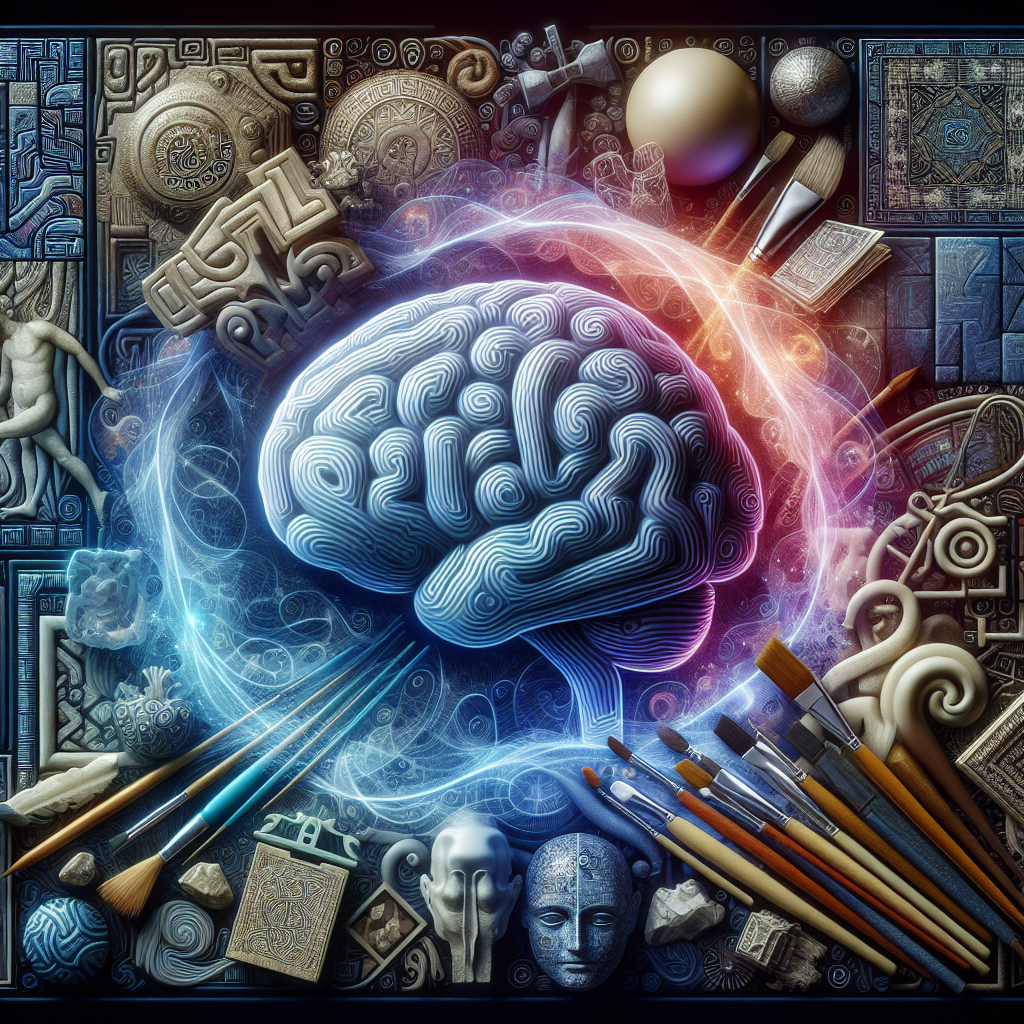
Understanding Arts Beyond “Pretty Things”
The arts are often described as painting, music, theater, dance, film, literature, architecture, and design. Yet reducing arts to a list of disciplines misses their deeper role: arts are systems of expression that translate human experience into forms others can feel, interpret, and remember. They hold emotion and argument together—sometimes comforting, sometimes disruptive—and they become a kind of living language for ideas that are difficult to say plainly.
From a child drawing a family scene to a composer building tension with a minor chord, art organizes perception. It selects what matters, frames it, and offers it back to us with new emphasis. In that sense, arts do not merely decorate life; they are one way we make sense of life.
Major Forms of Arts and What They Offer
Each artistic form carries distinct strengths, tools, and ways of reaching audiences. While boundaries blur in modern practice, these categories help clarify how arts communicate.
Visual Arts
Visual arts—including painting, drawing, sculpture, photography, and digital art—use composition, color, texture, and scale to shape meaning. A portrait can humanize a stranger, a mural can rally a community, and a photograph can document truth with emotional weight. Visual art often invites slow looking, rewarding attention with layered symbolism and detail.
Performing Arts
Music, dance, theater, and spoken word are time-based experiences. They unfold moment by moment, binding audiences together in shared attention. Performing arts emphasize presence: the breath of a singer, the silence before a line lands, the collective energy in a room. Even recorded performances carry traces of that immediacy, but live settings uniquely transform spectators into participants.
Literary Arts
Poetry, novels, essays, and plays offer precision and depth through language. Stories give structure to chaos; poems compress emotion into rhythm and image. Literary arts can argue, question, and imagine alternative realities, often building empathy by placing readers inside another perspective. They also preserve voices that might otherwise be lost to time.
Design and Applied Arts
Design—graphic, industrial, fashion, and interior—sits at the intersection of function and feeling. Applied arts shape everyday behavior: how we navigate a city, trust a product, or interpret information. Well-made design is not only aesthetic; it is ethical, because it influences accessibility, inclusion, and the clarity of what people can understand.
Why Arts Matter: Core Functions in Society
Arts endure across civilizations because they serve practical and psychological needs. Their impact is both personal and public.
- Meaning-making: Arts help people process grief, joy, identity, and uncertainty, giving form to experiences that resist ordinary explanation.
- Connection and empathy: A song, film, or novel can bridge differences, allowing audiences to feel another life from the inside.
- Cultural memory: Arts record histories—official and unofficial—preserving traditions, dialects, rituals, and resistance.
- Critique and change: Satire, protest art, and socially engaged theater can challenge power, question norms, and imagine new futures.
- Delight and play: Beauty, humor, surprise, and wonder are not trivial; they renew attention and restore the spirit.
The Creative Process: From Spark to Craft
People often treat creativity as sudden inspiration, but most art grows through iteration. A strong creative process balances imagination with discipline.
Observation and Curiosity
Artists train attention. They notice patterns, contradictions, gestures, and the emotional temperature of a space. Many artworks begin as questions: “What if?” “Why does this feel true?” “What happens when these two ideas collide?”
Experimentation and Failure
Drafts, studies, rehearsals, and prototypes are not detours; they are the work. Experimentation produces “productive failures” that reveal what a piece wants to become. A rejected sketch can contain the seed of a later masterpiece.
Technique and Revision
Craft turns intention into impact. Musicians practice scales, actors refine timing, painters test palettes, and writers edit structure. Revision is how art becomes legible to others—how private feeling becomes shared experience.
Arts in the Digital Age
Technology has expanded who can create and how art circulates. Digital tools enable filmmaking on phones, music production on laptops, and global collaboration across time zones. At the same time, the digital environment introduces new questions: authenticity, ownership, attention, and the economics of creative labor.
Artificial intelligence and generative tools have intensified debate. They can accelerate workflows, create new textures, and support accessibility, but they also raise concerns about consent, attribution, and the value of human authorship. The most constructive approach treats emerging tools as part of a wider creative ecosystem—one that still depends on human judgment, cultural context, and ethical choices.
Arts Education: Skills That Travel
Arts education is often defended as enrichment, but it also cultivates transferable capabilities:
- Critical thinking: interpreting symbols, themes, and context.
- Communication: conveying complex ideas through form and narrative.
- Collaboration: ensemble work, critique, and collective production.
- Resilience: learning through feedback, revision, and performance.
- Ethical awareness: considering representation, power, and audience impact.
Just as importantly, arts education supports self-knowledge. It helps people articulate identity, build confidence, and find community through shared creation.
How to Engage with Arts (Even If You Don’t Feel “Artistic”)
Arts are not reserved for experts. Engagement can be simple, consistent, and personal. Visit a local gallery, attend a community concert, read a poem aloud, or keep a small sketchbook. If you create, give yourself permission to be imperfect. If you’re an audience member, practice active attention: notice what you feel, what you resist, and what questions remain afterward.
Supporting arts can also be practical: buy tickets, credit creators, share work thoughtfully, volunteer at local organizations, or advocate for arts funding in schools and public spaces. Thriving arts ecosystems depend on everyday participation, not only on elite institutions.
Conclusion: Arts as a Shared Human Practice
Arts persist because they meet us where we are—at the edge of what we can explain. They transform private emotion into public form, preserve culture while reinventing it, and offer a space to rehearse empathy, courage, and imagination. Whether through a song that steadies you, a play that challenges you, or a design that makes life more humane, arts are not a luxury; they are a way humans think, feel, and build meaning together.
Listings related to article "The Living Language of Arts: How Creativity Shapes Culture, Mind, and Meaning"

Serrato Signs & Awnings
Serrato Signs & Awnings, a family-owned and operated sign company in Worcester, Massachusetts, boasts over 80 years of experience in delivering top-tier interior and exterior signs, custom awnings, banners, flags, and vehicle graphic wraps across New England.
- Category
- Business » Business Services » Signage

Hackaday
A community-driven platform showcasing creative and often unconventional projects related to electronics, hardware hacking, and DIY technology.
- Category
- Computers » Hardware » Do-It-Yourself
More articles like "The Living Language of Arts: How Creativity Shapes Culture, Mind, and Meaning"
Arts and Literature: How Written Imagination Shapes Culture
Literature stands at the heart of the arts, preserving memory, challenging power, and expanding human imagination. From oral storytelling to digital narratives, it continues to shape how societies understand themselves.
Arts | Video: How Moving Images Became a Powerful Artistic Language
Video has evolved from a recording medium into one of the most dynamic forms of contemporary art. By combining image, sound, time, and technology, video art creates immersive experiences that challenge how audiences see, feel, and interpret the world.

Recreation Reimagined: How Play, Nature, and Leisure Build Better Lives
Recreation is more than entertainment—it’s a vital practice that supports physical health, mental resilience, and social connection. From outdoor adventures to creative hobbies, intentional leisure can strengthen communities and improve everyday well-being.