



Headless Commerce: Revolutionizing the Future of E-commerce
In the ever-evolving world of e-commerce, businesses are constantly seeking innovative ways to deliver seamless and personalized shopping experiences to their customers. One such approach that has gained significant traction in recent years is headless commerce. While the term may sound intriguing and even a bit perplexing, headless commerce represents a revolutionary concept that is reshaping the future of online retail.

Traditionally, e-commerce platforms have operated using a monolithic architecture, where the front-end (the “head”) and the back-end (the “body”) are tightly coupled. This means that the presentation layer, which is responsible for the user interface and the customer experience, is directly connected to the underlying business logic and database. Any changes or updates made to the front-end or back-end require modifications to the entire system, making it rigid, time-consuming, and challenging to innovate.
Headless commerce breaks away from this traditional model by decoupling the front-end and back-end systems. It separates the presentation layer from the underlying business logic, allowing each component to operate independently and communicate through APIs (Application Programming Interfaces). In simpler terms, the head (front-end) is “cut off” from the body (back-end), hence the term “headless.”
In a headless commerce architecture, businesses have the freedom to choose and use different specialized platforms or technologies for their front-end and back-end systems. This flexibility enables them to create unique and immersive customer experiences that seamlessly blend with their brand identity and meet the ever-changing demands of the market. Whether it’s a web-based storefront, a mobile app, a voice-controlled device, or even an IoT (Internet of Things) device, headless commerce allows businesses to deliver content and shopping experiences across multiple touchpoints effortlessly.
With headless commerce, businesses can leverage the power of microservices, which are small, independent applications that perform specific tasks. These microservices can be developed, deployed, and scaled individually, making it easier to add new features, integrate with third-party services, and adapt to new technologies. For example, a business could use one microservice for product catalog management, another for inventory management, and yet another for personalization. This modular approach not only enhances agility but also enables businesses to adopt a best-of-breed strategy, selecting the most suitable solutions for each aspect of their e-commerce operations.
Furthermore, headless commerce opens the door to a more efficient development process. Since the front-end and back-end are decoupled, developers can work simultaneously on different components without interfering with each other’s work. This parallel development speeds up the time to market for new features and enhancements, giving businesses a competitive edge in the fast-paced digital landscape.
Another significant advantage of headless commerce is the ability to provide a consistent customer experience across various platforms and devices. With a unified back-end serving multiple front-ends, businesses can ensure that customers receive the same product information, pricing, and promotions, regardless of the channel they choose to interact with. This omnichannel approach enables seamless transitions between different touchpoints, such as browsing on a mobile app and completing a purchase on a desktop website, leading to a cohesive and satisfying customer journey.
In conclusion, headless commerce represents a paradigm shift in the world of e-commerce. By decoupling the front-end and back-end systems, businesses can achieve greater flexibility, scalability, and innovation in delivering personalized shopping experiences. With the power of microservices and the ability to provide consistent omnichannel experiences, headless commerce empowers businesses to adapt swiftly to changing market trends and customer expectations. As the digital landscape continues to evolve, headless commerce is set to shape the future of online retail, enabling businesses to thrive in the ever-competitive e-commerce landscape.
Listings related to article "Headless Commerce: Revolutionizing the Future of E-commerce"
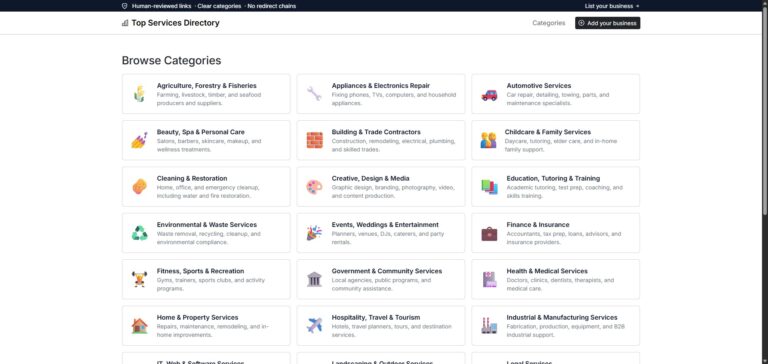
Top Services Directory
Top Services Directory showcases trusted service providers from around the world, organized by category and location. It gives businesses a clean, professional profile to highlight their services, credentials, and contact details, while putting them in front of customers who are already searching with intent. By improving visibility and making comparisons easy, it helps companies attract the right inquiries and turn browsers into buyers.
- Category
- Business » Directories
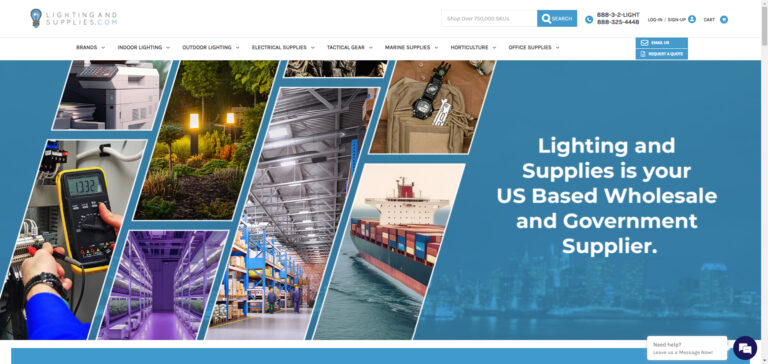
Lighting and Supplies
Lighting and Supplies (Lightingandsupplies.com) is your premier destination for safe, efficient LED lighting solutions, catering to commercial and industrial needs. With over 45 years of industry experience and a vast inventory of 100,000’s bulbs, fixtures, and electrical supplies, we offer turnkey solutions for projects of any scale.
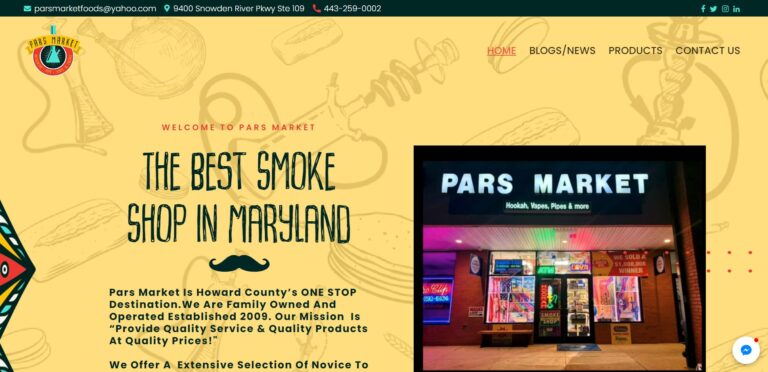
Pars Market Middle Eastern Mediterranean Grocery Shop
Pars Market, a family-owned and operated business established in 2009, is Howard County’s ultimate destination for all your smoke shop needs. Our mission is to offer quality service and products at affordable prices. Explore our extensive selection of smoke shop products, from hookah and shisha to glass and silicone pipes, Delta-8, CBD, Kratom, Kava, and more.
- Category
- Shopping » Tobacco » Cigarettes » Shopping » Tobacco
More articles like "Headless Commerce: Revolutionizing the Future of E-commerce"

Beyond the Bottom Line: How Modern Business Creates Value That Lasts
Business is more than buying and selling—it is an evolving system for solving problems, coordinating people, and creating sustainable value. This article explains core business functions, modern models, and practical levers for building resilient organizations.

Beyond the Bottom Line: How Modern Business Creates Value, Trust, and Resilience
Business is the organized effort to create value by solving problems for customers while sustaining operations over time. This article explains what makes businesses work today, from strategy and finance to culture, technology, and ethics.

The Modern Art of Shopping: Smarter Choices, Better Value, Less Stress
Shopping today is equal parts convenience, strategy, and self-control. This guide explains how to plan purchases, compare options, avoid common traps, and shop in ways that fit your budget and values.
