



Recreation Reimagined: How Playful Time Builds Healthier, Happier Lives
What Recreation Really Means
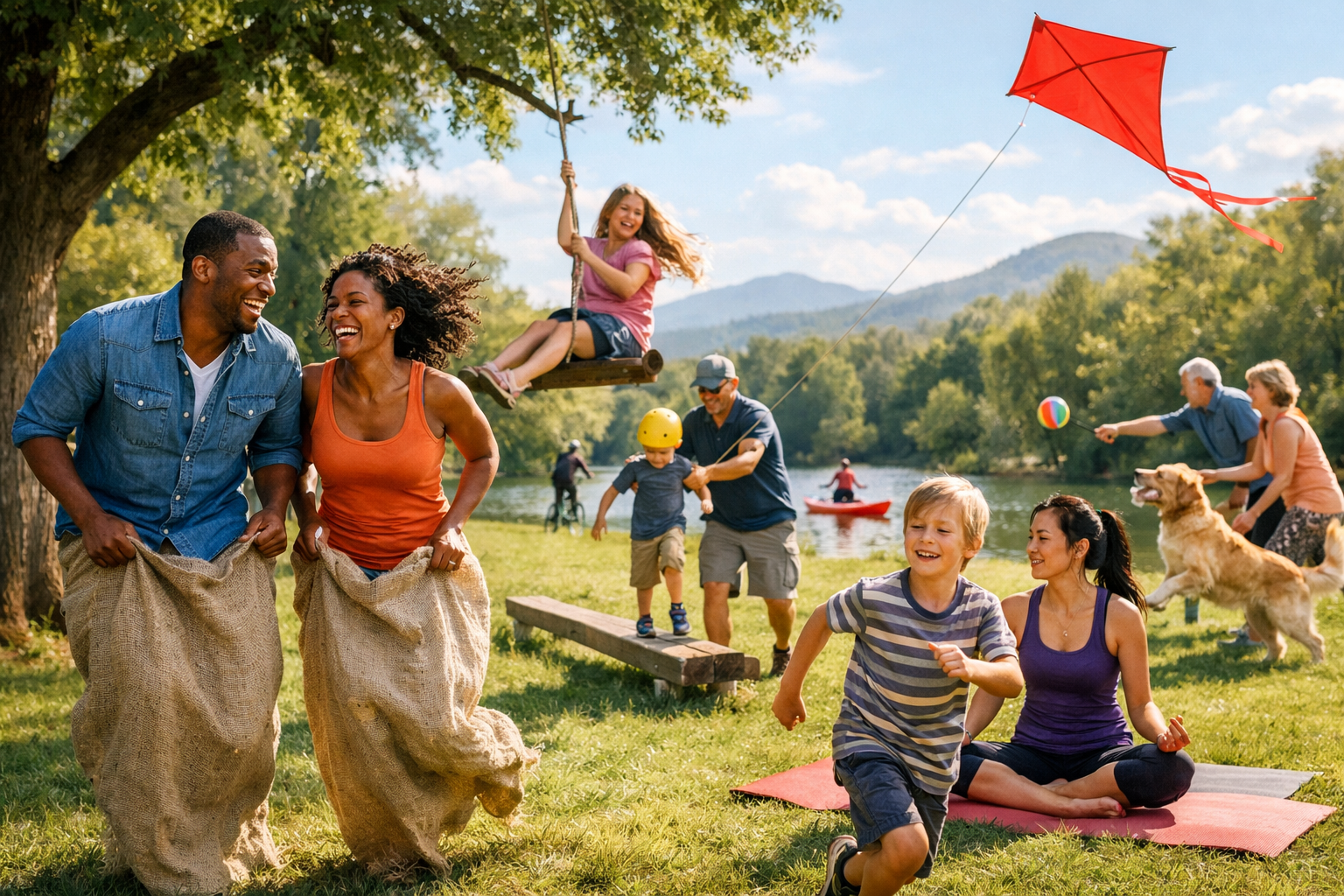
Recreation is any activity chosen freely for enjoyment, restoration, or personal fulfillment. It’s often associated with leisure, but recreation is more specific: it implies a refreshing change from routine and a sense of renewal. Recreation can be active or quiet, solitary or social, outdoors or indoors. What makes it “recreation” is not the setting or intensity—it’s the intention to restore energy, spark joy, and support well-being.
In a world where productivity is frequently treated as a measure of worth, recreation is sometimes seen as optional. In reality, it plays a vital role in sustaining physical health, mental clarity, relationships, and creativity. Far from being wasted time, quality recreation can improve the way people work, learn, and connect with others.
Why Recreation Matters
Physical Health and Longevity
Many recreational activities involve movement: walking, swimming, dancing, cycling, hiking, or team sports. Regular physical recreation supports cardiovascular health, strengthens muscles and bones, improves balance, and helps regulate sleep. Even gentle activities like gardening or leisurely strolls can reduce sedentary time and support long-term health.
Recreation also helps establish a positive relationship with movement. When physical activity is chosen for enjoyment rather than obligation, it can feel less like “exercise” and more like a sustainable habit.
Mental Health, Stress Relief, and Emotional Balance
Recreation creates psychological breathing room. Engaging in enjoyable activities can lower stress hormones, ease tension, and provide a sense of control—especially important during busy or uncertain periods. Activities that absorb attention, such as painting, playing music, rock climbing, or puzzles, can encourage a “flow” state, where rumination decreases and focus improves.
Recreation can also strengthen emotional regulation. Taking time to decompress before stress accumulates helps people respond more thoughtfully rather than react impulsively. Over time, this can improve resilience and overall mood.
Social Connection and Community
Many forms of recreation are inherently social: pickup games, dance classes, book clubs, community theater, or volunteering. Shared recreation can build trust, deepen friendships, and reduce loneliness. For families, it provides a neutral space for connection that isn’t centered on chores, deadlines, or conflict.
Community recreation spaces—parks, trails, libraries, recreation centers—also function as civic “third places,” where people from different backgrounds interact casually. These spaces contribute to social cohesion and a sense of belonging.
Creativity, Learning, and Identity
Recreation is a gateway to personal development. Hobbies and recreational learning—photography, cooking, language practice, woodworking, or chess—can sharpen skills and build confidence. These pursuits often become meaningful parts of identity, offering a sense of progress and purpose separate from work or school.
Creative recreation, in particular, encourages experimentation without high stakes. This mindset can translate into greater flexibility and innovation in other areas of life.
Types of Recreation: Finding What Fits
Because recreation is defined by choice and restoration, it looks different for everyone. Many people benefit from mixing several types to meet different needs.
- Active recreation: sports, fitness classes, hiking, skating, dancing, martial arts, kayaking.
- Nature-based recreation: birdwatching, camping, beach walks, trail running, gardening, picnics.
- Creative recreation: drawing, writing, crafting, music, baking, DIY projects, photography.
- Social recreation: game nights, community events, clubs, group classes, team leagues.
- Restorative recreation: reading for pleasure, mindfulness, gentle yoga, baths, listening to music.
- Digital recreation: video games, online communities, streaming—best when intentional and balanced.
The key is not to chase the “perfect” hobby, but to notice what genuinely replenishes energy. If an activity consistently leaves someone more drained, it may be entertainment without restoration, or it may need adjustment (less intensity, fewer commitments, better timing).
Barriers to Recreation—and How to Overcome Them
Time Pressure and Overcommitment
One of the most common obstacles is the belief that recreation requires large blocks of time. In reality, small, repeatable sessions often have the biggest impact. Ten minutes of stretching, a short walk after dinner, or half an hour of sketching can meaningfully reset the nervous system.
Cost and Access
Recreation doesn’t have to be expensive. Public parks, libraries, community centers, school tracks, and local events offer low-cost opportunities. Borrowing equipment, swapping hobbies with friends, or choosing “minimal gear” activities (walking, bodyweight movement, journaling) can make recreation more accessible.
Energy and Motivation
When stress is high, people often default to passive downtime. Rest is valuable, but if it becomes the only option, it may not provide the refreshment that active or social recreation can offer. A practical approach is to keep a “low-friction menu” of activities that require minimal preparation—like a short playlist and a stretch routine, a nearby walking route, or a simple craft kit ready to go.
Building a Sustainable Recreation Routine
A good recreation routine is realistic, flexible, and tailored to individual needs. Instead of aiming for perfection, aim for consistency and enjoyment.
- Start with your goal: Do you need stress relief, movement, social connection, or creative expression?
- Choose an easy default: Pick one activity you can do even on busy days (for example, a 15-minute walk).
- Schedule it lightly: Put recreation on the calendar as an appointment, but allow alternative options if plans change.
- Pair it with existing habits: Walk after lunch, stretch before bed, read while commuting, or do a weekend park visit.
- Protect it from “all-or-nothing” thinking: A short session still counts and maintains momentum.
- Reflect and adjust: Every few weeks, ask what felt replenishing and what felt like obligation.
For many people, a balanced week includes a mix: one social activity, two or three movement-based sessions, and several smaller restorative breaks. The ideal frequency depends on lifestyle and capacity, but the common thread is intentionality.
Recreation Across Life Stages
Recreation evolves with age, responsibilities, and health. Children often recreate through imaginative play, which builds social and cognitive skills. Teens may gravitate toward team sports, creative communities, or digital spaces that offer belonging. Adults often need recreation that counters work stress and supports relationships. Older adults may prioritize low-impact movement, nature time, and social clubs to maintain mobility and connection.
At every stage, recreation can be adapted. Limitations—time, injury, caregiving—don’t eliminate recreation; they invite new forms of it. The most sustainable approach is to treat recreation as a basic human need, not a luxury reserved for “when everything else is done.”
Conclusion: Recreation as a Life Skill
Recreation is a practice of renewal. It supports health, strengthens relationships, and makes daily life more livable and meaningful. When approached intentionally—chosen for genuine enjoyment and restoration—recreation becomes a life skill that helps people navigate stress, maintain balance, and stay connected to what energizes them. The goal isn’t to fill every spare moment, but to reclaim enough time to feel human, present, and refreshed.
Listings related to article "Recreation Reimagined: How Playful Time Builds Healthier, Happier Lives"
Basement Foundation Repair Muskegon
Basement foundation repair, crack sealing, wall support, moisture protection, and structural stabilization services in Muskegon, Michigan.
Pier and Beam Foundation Repair Midland
Pier and beam foundation repair, inspections, house leveling, crawl-space support, and structural stabilization services in Midland, Michigan.
Slab Foundation Repair Newark OH
Slab foundation repair, foundation inspections, crack repair, slab jacking, and structural repair services in Newark, Ohio.
More articles like "Recreation Reimagined: How Playful Time Builds Healthier, Happier Lives"
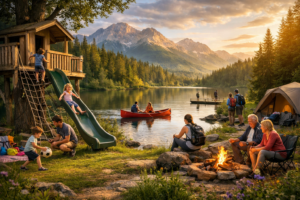
Recreation Reimagined: How Play, Nature, and Leisure Build Better Lives
Recreation is more than entertainment—it’s a vital practice that supports physical health, mental resilience, and social connection. From outdoor adventures to creative hobbies, intentional leisure can strengthen communities and improve everyday well-being.
More Than Four Walls: The Many Lives of Home
Home is not just a place to live—it’s a blend of shelter, memory, identity, and daily rituals. This article explores what makes a home feel safe and meaningful, and how that feeling can be built anywhere.

Growing Up Connected: A Practical Guide to Supporting Kids and Teens Today
Kids and teens face rapid changes in school, friendships, and technology, making supportive adults more important than ever. This article explores healthy development, common challenges, and practical ways families and communities can help young people thrive.