



Shopping Smarter: From Impulse to Intent in a World of Endless Choice

The Modern Meaning of Shopping
Shopping is no longer just the act of buying what you need. It has become a blend of problem-solving, entertainment, habit, and personal expression. Whether you’re comparing prices on your phone, strolling a local market, or subscribing to monthly essentials, shopping reflects how you manage time, money, values, and even identity. Understanding how shopping works—psychologically and practically—helps you make choices that feel satisfying long after the checkout screen disappears.
Why We Shop: Needs, Wants, and Feelings
At its core, shopping serves needs: groceries, household items, clothing, tools, and services. But it also meets wants—things that add comfort, style, novelty, or fun. Many purchases sit in the middle: a better pillow might improve sleep (need) but also feel like a treat (want). Emotions often tip the balance. Stress, boredom, celebration, and social pressure can influence what you buy and how much you spend.
Retail environments are designed to engage those emotions. Pleasant lighting, curated playlists, limited-time offers, and “only a few left” messages aren’t accidental. They encourage faster decisions. When you recognize these cues, you gain the ability to pause, evaluate, and choose intentionally instead of reactively.
Types of Shopping Experiences
In-Store Shopping
Physical stores offer tactile advantages: you can test fit, check materials, compare colors accurately, and take items home immediately. In-store shopping is also social—friends and family often influence decisions, and sales staff can clarify features or suggest alternatives. The trade-off is that you’re limited to local inventory and store hours, and it’s easier to make unplanned add-on purchases near checkout displays.
Online Shopping
Online shopping excels at breadth and convenience. You can compare brands, read reviews, monitor price history, and shop at any hour. Filters and search tools help narrow thousands of products to a few candidates. However, digital shopping introduces its own risks: misleading photos, inconsistent sizing, counterfeit items, or biased reviews. Shipping delays and return hassles can also reduce the overall value of a “good deal.”
Secondhand and Circular Shopping
Thrift shops, resale apps, consignment stores, and refurbished electronics retailers make shopping more circular. Buying secondhand can reduce waste, stretch budgets, and uncover unique items. It may require more patience—condition varies, availability is unpredictable, and warranties can be limited—but the environmental and financial benefits can be substantial.
Planning: The Skill Behind Stress-Free Shopping
Shopping feels easiest when it starts before you enter a store or open a browser tab. Planning reduces decision fatigue and protects your budget from “in the moment” purchases. A simple routine—list what you need, set a spending cap, and define quality requirements—can dramatically improve outcomes.
- Make lists with categories: essentials, replacements, and “nice-to-haves.” Buy essentials first.
- Set a target price range: decide what “reasonable” means before seeing discounts.
- Know your constraints: measurements, compatibility, fabric preferences, dietary needs, or space limits.
- Batch errands: fewer trips mean fewer temptations and time savings.
For bigger purchases, planning should include a quick checklist: purpose, expected lifespan, total cost (including accessories and maintenance), and return options. A $40 item that fails quickly can cost more than a $70 item that lasts years.
How to Judge Value Beyond the Price Tag
Price is what you pay; value is what you get over time. Good shopping decisions consider durability, performance, fit-for-purpose, and support. The cheapest option can be expensive if it breaks, doesn’t meet your needs, or cannot be returned.
- Cost per use: Divide the price by how often you’ll use it. A high-use item may justify better quality.
- Materials and construction: seams, zippers, wood joints, and component quality often matter more than branding.
- Warranty and service: reputable support can turn a purchase into a long-term solution.
- Return policy clarity: “Final sale” and restocking fees can change the real risk of buying.
Reviews are useful when read critically. Look for patterns rather than outliers, and pay attention to reviews that describe long-term performance. If dozens of people mention the same flaw, assume it’s real.
Common Shopping Traps (and How to Avoid Them)
Impulse Buying
Impulse purchases happen when the decision is faster than the evaluation. A short “cooling-off” rule—waiting 24 hours for non-essentials—helps separate genuine desire from momentary emotion. If you still want it tomorrow and it fits your budget, it’s more likely to be a satisfying purchase.
Discount Illusions
A sale price feels like winning, but a discount only saves money if you were going to buy the item anyway. Be cautious of inflated “original” prices, bundle deals that add unwanted extras, and limited-time countdowns that create urgency without improving value.
Subscription Creep
Subscriptions simplify repeat shopping, but they can quietly expand. Regularly audit recurring charges and cancel anything that no longer serves you. Convenience is valuable—just ensure you’re paying for convenience you actually use.
Ethical and Sustainable Shopping Choices
Shopping also has an impact beyond your household. Production practices, labor conditions, packaging waste, and shipping emissions all add up. Ethical shopping doesn’t require perfection; it benefits from small, consistent improvements.
- Buy fewer, better items when you can—especially for high-impact categories like clothing and electronics.
- Choose repairable options: replaceable parts and accessible repair services extend product life.
- Support local businesses for certain purchases to strengthen community economies and reduce transport distance.
- Use secondhand first for items with plenty of life left, like furniture or winter coats.
Even small decisions—bringing reusable bags, consolidating deliveries, or avoiding excessive returns—can reduce waste and friction in the shopping ecosystem.
Shopping as a Personal System
The most satisfying approach to shopping is to treat it as a system rather than a series of random events. A system includes your budget, your values, your storage space, and your habits. When those pieces align, shopping becomes less about chasing the next purchase and more about supporting the life you want. With a bit of planning, a clear sense of value, and awareness of common traps, you can turn shopping into a tool—one that saves time, protects finances, and reduces clutter while still leaving room for enjoyment.
Listings related to article "Shopping Smarter: From Impulse to Intent in a World of Endless Choice"

Pars Market Middle Eastern Mediterranean Grocery Shop
Pars Market, a family-owned and operated business established in 2009, is Howard County’s ultimate destination for all your smoke shop needs. Our mission is to offer quality service and products at affordable prices. Explore our extensive selection of smoke shop products, from hookah and shisha to glass and silicone pipes, Delta-8, CBD, Kratom, Kava, and more.
- Category
- Shopping » Tobacco » Cigarettes » Shopping » Tobacco
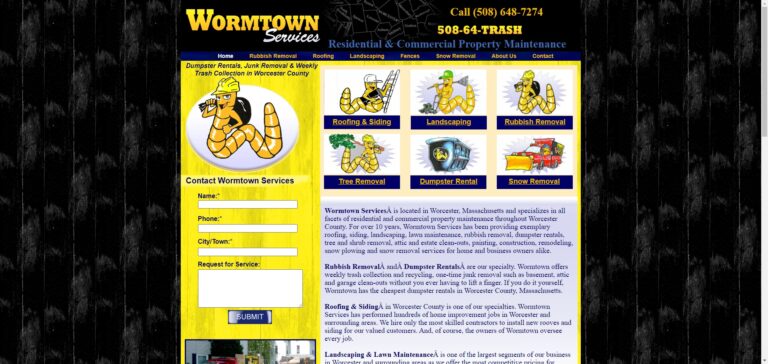
Wormtown Dumpster Rentals & Junk Removal
Wormtown Services LLC stands tall as one of Worcester, Massachusetts’ largest and most reliable residential and commercial dumpster rental companies, serving Worcester County. Their wide-ranging services include 10-yard, 15-yard, and 20-yard dumpster rentals, catering to various needs.
- Category
- Business » Environment » Waste Management
More articles like "Shopping Smarter: From Impulse to Intent in a World of Endless Choice"

Beyond the Bottom Line: How Modern Business Creates Value That Lasts
Business is more than buying and selling—it is an evolving system for solving problems, coordinating people, and creating sustainable value. This article explains core business functions, modern models, and practical levers for building resilient organizations.

Beyond the Bottom Line: How Modern Business Creates Value, Trust, and Resilience
Business is the organized effort to create value by solving problems for customers while sustaining operations over time. This article explains what makes businesses work today, from strategy and finance to culture, technology, and ethics.

The Modern Art of Shopping: Smarter Choices, Better Value, Less Stress
Shopping today is equal parts convenience, strategy, and self-control. This guide explains how to plan purchases, compare options, avoid common traps, and shop in ways that fit your budget and values.