



Beyond the Whistle: Why Informal Sports Matter More Than Ever
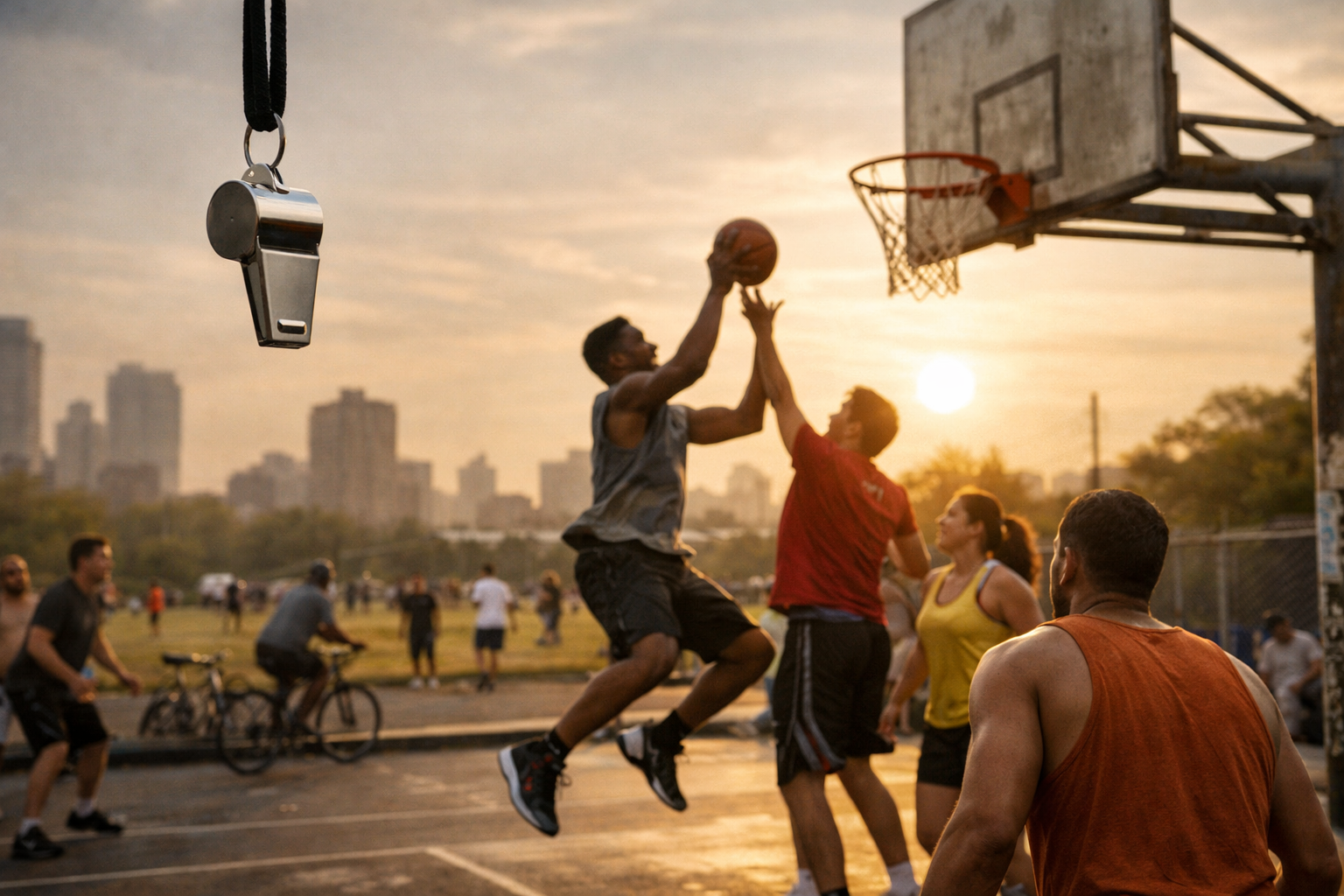
Understanding Informal Sports
Informal sports are physical activities played outside the structure of official leagues, governing bodies, or highly regulated competitions. They include a wide range of games and movement-based activities, from a casual neighborhood football match to pickup basketball, skateboarding at a local park, beach volleyball, street cricket, cycling with friends, or a spontaneous round of frisbee. What makes them distinct is not the sport itself, but the way it is organized: participation is usually voluntary, flexible, and driven by enjoyment rather than formal results.
In many communities, informal sports are the most accessible form of physical activity. They do not always require expensive equipment, membership fees, uniforms, or scheduled training sessions. Instead, they thrive in everyday spaces and adapt to the people who play them. This flexibility makes informal sports an important part of both recreational culture and public health.
Why Informal Sports Are So Popular
One of the biggest reasons informal sports continue to grow in popularity is convenience. People often struggle to commit to formal training schedules due to work, school, family responsibilities, or financial pressure. Informal sports remove many of those barriers. A game can begin when enough people show up, and the rules can be adjusted to fit the setting, age group, and skill level.
Another reason is freedom. Participants can experiment, play at their own pace, and enjoy movement without intense pressure to perform. For many people, this makes sports feel welcoming rather than intimidating. Instead of worrying about rankings or selection, players focus on fun, fitness, and social interaction.
- They are often low-cost or free to join.
- They can happen almost anywhere, including parks, streets, schoolyards, and beaches.
- They welcome mixed ages and skill levels.
- They encourage creativity and adaptable rules.
- They fit around busy or unpredictable schedules.
Health and Well-Being Benefits
Informal sports provide many of the same physical benefits as organized sports. They support cardiovascular health, muscular strength, balance, coordination, and endurance. Regular participation can help people maintain a healthy lifestyle without needing a formal exercise plan. Because the activities are enjoyable and socially engaging, people may be more likely to stay consistent over time.
The mental health benefits are just as valuable. Informal play can reduce stress, improve mood, and provide a break from routine pressures. The relaxed nature of pickup games and recreational activities often creates a positive environment where participants feel less judged. This can be especially important for beginners, young people, and adults returning to exercise after a long break.
Social well-being is another major advantage. Informal sports help people meet neighbors, strengthen friendships, and build trust across age groups and backgrounds. In areas where community ties are weak, shared play can create a strong sense of belonging.
Informal Sports and Community Life
Informal sports are deeply connected to community identity. In many places, local games played in open spaces become part of everyday culture. They reflect the resources, traditions, and creativity of the people involved. A vacant lot can turn into a football field, a driveway into a court, or a beach into a volleyball arena. These spaces may not be official facilities, but they can carry just as much meaning for those who use them.
Because they are open and adaptable, informal sports can also be more inclusive than formal systems. People who feel excluded by competitive structures, cost barriers, or limited opportunities often find a place in informal play. Children can join older players, newcomers can learn by observing and participating, and adults can stay active without committing to strict competition.
The Role of Public Spaces
Parks, playgrounds, walking trails, community courts, and open fields all support informal sports. When cities invest in safe, well-maintained public spaces, they create opportunities for daily activity that benefit everyone. Even simple improvements, such as lighting, benches, smooth surfaces, water access, and shared equipment areas, can make a major difference.
Urban planners and local leaders increasingly recognize that encouraging movement does not always require large stadiums or expensive programs. Sometimes, the most effective investment is a space where people feel free to gather and play.
Challenges Facing Informal Sports
Despite their many benefits, informal sports face several challenges. Access to safe spaces is one of the most common issues. In dense urban areas, open land may be limited, and public spaces may be overcrowded or poorly maintained. In some communities, concerns about safety, traffic, or lack of lighting can reduce participation.
Another challenge is recognition. Because informal sports are not always tracked or officially managed, their value can be underestimated by policymakers and institutions. Funding often goes toward formal clubs and facilities, even though casual sports may reach a broader population.
There are also social barriers. Not everyone feels equally welcome in public play settings. Gender norms, social exclusion, disability access, and local attitudes can influence who participates and who stays on the sidelines. Making informal sports truly inclusive requires attention to design, culture, and community support.
How to Encourage Informal Sports
Supporting informal sports does not have to be complicated. Small actions can have a meaningful effect on participation and long-term engagement.
- Protect and improve public play spaces.
- Provide safe walking and cycling access to recreation areas.
- Offer community equipment libraries or low-cost gear access.
- Promote open-use times for schoolyards and local courts.
- Design spaces that are inclusive for different ages, abilities, and backgrounds.
- Encourage local events that celebrate casual play without heavy competition.
Families, schools, local councils, and neighborhood groups all have a role to play. Encouragement matters, especially for children and teenagers who may benefit from unstructured activity as much as from organized sports programs.
The Lasting Value of Playing for Play’s Sake
In a world that often measures success through rankings, schedules, and performance, informal sports offer something refreshing. They remind people that movement can be joyful, spontaneous, and shared. They create room for experimentation, laughter, and everyday connection. A simple game between friends or neighbors may not come with trophies or official records, but it can still shape healthier habits, stronger communities, and lasting memories.
Informal sports are not just a substitute for organized athletics. They are a vital part of the broader sports landscape, offering freedom, accessibility, and human connection in ways that formal systems sometimes cannot. Whether played in a park, on a street corner, or along a shoreline, they continue to prove that sport does not need a whistle, a schedule, or a stadium to matter.
Listings related to article "Beyond the Whistle: Why Informal Sports Matter More Than Ever"

Basement Foundation Repair Muskegon
Basement foundation repair, crack sealing, wall support, moisture protection, and structural stabilization services in Muskegon, Michigan.

Pier and Beam Foundation Repair Midland
Pier and beam foundation repair, inspections, house leveling, crawl-space support, and structural stabilization services in Midland, Michigan.

Foundation Repair Goshen
Foundation repair, crack repair, house leveling, crawl-space support, and basement waterproofing services in Goshen, Indiana.
More articles like "Beyond the Whistle: Why Informal Sports Matter More Than Ever"

Reference Guide to Parliamentary Procedure: Rules, Motions, and Meeting Order
Parliamentary procedure provides a structured way for groups to deliberate, decide, and record actions fairly. This guide explains its core principles, common motions, and practical meeting rules in clear terms.
Recreation Reimagined: How Play, Nature, and Leisure Build Better Lives
Recreation is more than entertainment—it’s a vital practice that supports physical health, mental resilience, and social connection. From outdoor adventures to creative hobbies, intentional leisure can strengthen communities and improve everyday well-being.
Growing Up Connected: A Practical Guide to Supporting Kids and Teens Today
Kids and teens face rapid changes in school, friendships, and technology, making supportive adults more important than ever. This article explores healthy development, common challenges, and practical ways families and communities can help young people thrive.
