



The Living Language of Arts: How Creativity Shapes Culture, Community, and Change
What We Mean by “Arts”
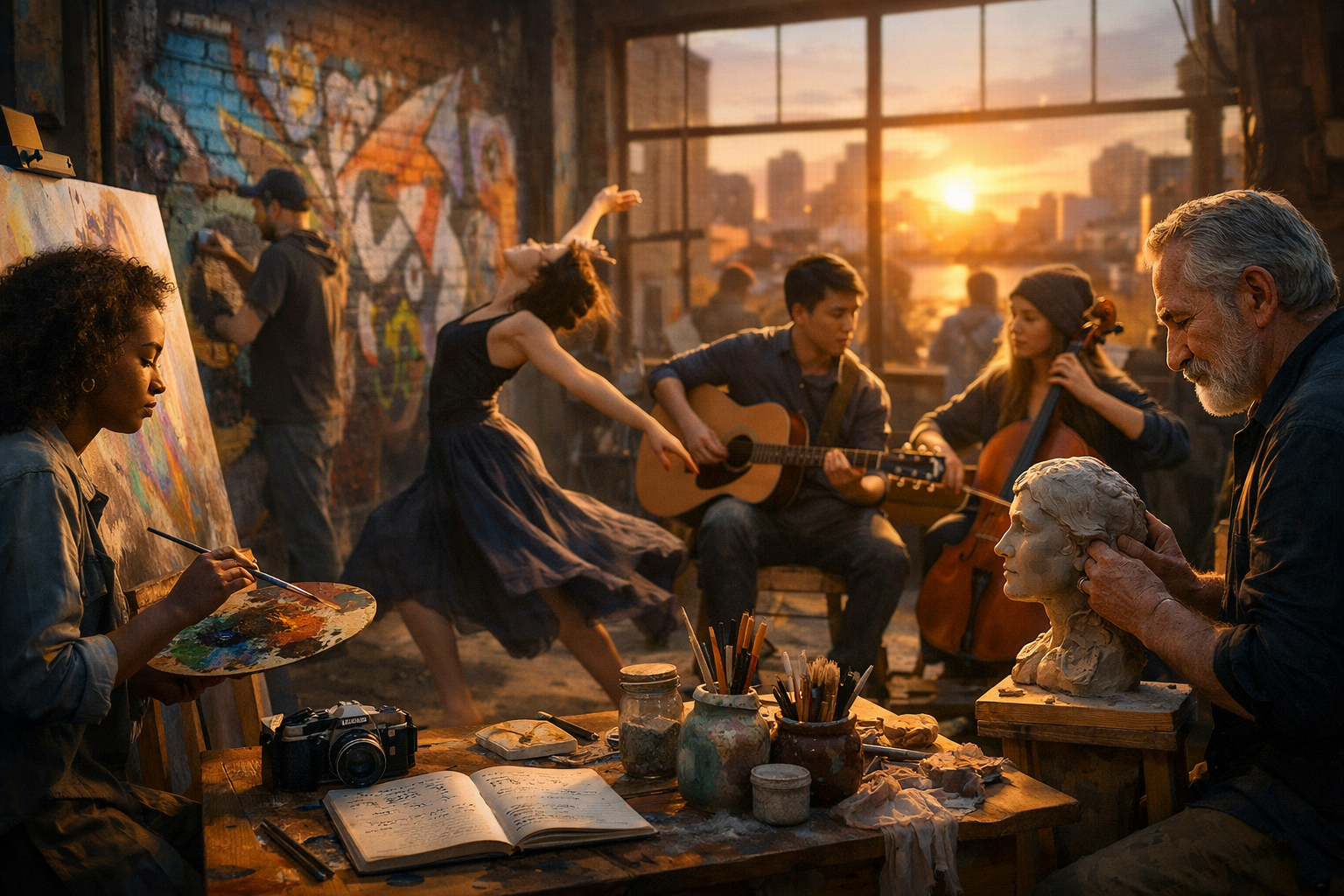
The arts encompass a wide range of human practices that use imagination, skill, and expression to create meaning. They include established disciplines such as painting, sculpture, music, theater, literature, dance, film, and architecture, as well as newer forms like digital art, interactive media, and creative coding. Although these categories differ in tools and traditions, they share a common purpose: translating experience into forms that can be felt, interpreted, and shared.
Arts operate as both products (a novel, a performance, a mural) and processes (rehearsal, sketching, revision, improvisation). That process matters. It trains attention, encourages experimentation, and turns uncertainty into inquiry—skills that are valuable far beyond studios and stages.
Major Branches of the Arts
Visual Arts
Visual arts communicate primarily through imagery and material form. They include drawing, painting, photography, ceramics, printmaking, sculpture, installation, and design. Visual works can document a moment, propose a new way of seeing, or confront viewers with questions that are hard to articulate in words. A portrait can be political; a landscape can reflect environmental anxieties; an abstract canvas can map emotion through color and rhythm.
Performing Arts
The performing arts—music, theater, dance, opera, and performance art—unfold in time and often depend on presence. Even when recorded, they retain traces of live decision-making: tempo shifts, breath, gesture, improvisation, the collective energy of an audience. Performing arts are uniquely communal, gathering people into shared attention and offering a space to rehearse empathy, conflict, joy, and resilience.
Literary Arts
Literary arts include poetry, fiction, nonfiction, playwriting, and spoken word. They organize language into experiences that can be intimate or expansive: a single voice thinking on the page, or a story large enough to hold history and myth. Literature gives readers a way to inhabit other lives and to test ideas safely, making it a powerful tool for understanding society and the self.
Media, Digital, and Hybrid Arts
Film, animation, sound art, video games, virtual reality, and interactive installations sit at the intersection of technology and storytelling. These forms can combine image, sound, text, and participation, turning audiences into co-creators. Digital arts also raise new questions about authorship, authenticity, and ethics—especially as tools like generative algorithms and synthetic media become widespread.
Why the Arts Matter
Arts Preserve Memory and Identity
Arts carry cultural memory—songs, motifs, stories, and techniques passed across generations. They can protect endangered languages, honor local histories, and keep traditions alive while allowing them to evolve. At the same time, art helps individuals claim identity: a dancer reflecting diaspora experience, a filmmaker documenting neighborhood change, or a poet reclaiming a silenced narrative.
Arts Build Empathy and Social Connection
Encountering art invites interpretation. Viewers and listeners must slow down, notice nuance, and consider multiple meanings. This habit of attention is closely linked to empathy: recognizing complexity in others and in ourselves. Community arts—choirs, murals, festivals, workshops—also create social bonds, offering shared purpose and pride.
Arts Strengthen Learning and Problem-Solving
Artistic practice develops flexible thinking: trying, failing, adjusting, and trying again. It builds visual literacy, pattern recognition, narrative logic, and the ability to communicate beyond straightforward explanation. In education, arts can make abstract concepts tangible—rhythm can model patterns, drawing can support observation, theater can animate history and ethics.
Arts Contribute to Health and Well-Being
Many people turn to arts for coping and healing. Music can regulate mood; creative writing can help organize difficult experiences; dance and theater can restore a sense of agency in the body. Arts programs in hospitals, community centers, and therapeutic settings often focus less on “talent” and more on expression, connection, and stress reduction.
How Art Is Made: Process, Craft, and Context
Great art rarely appears fully formed. It emerges through drafts, revisions, rehearsals, and feedback. Craft—the technical skill behind the work—enables artists to control materials and shape intention. Context—the social, historical, and personal conditions surrounding the work—affects how it is made and how it is received.
An artwork can be understood on multiple levels at once: technique (how it’s made), content (what it depicts or expresses), form (how parts are arranged), and impact (what it does to an audience). Considering all four helps viewers move beyond liking or disliking toward deeper appreciation.
Arts in Public Life and the Economy
Arts are not only private experiences; they influence public space and civic life. Public art can redefine how a neighborhood feels, commemorate events, or spark debate. Festivals and performances bring people into town centers, while museums and cultural institutions can preserve heritage and stimulate tourism.
Creativity also fuels the broader economy. Design shapes products and services; storytelling drives advertising and entertainment; architecture affects how cities function. Even outside “creative industries,” employers value skills cultivated through arts practice: communication, collaboration, innovation, and the capacity to handle ambiguity.
Current Challenges and Debates in the Arts
- Access and equity: Who gets training, funding, and visibility? Barriers can include cost, geography, disability access, and gatekeeping within institutions.
- Representation and ownership: Artists and communities debate cultural appropriation, attribution, and the right to tell certain stories.
- Digital change: Online platforms expand audiences but can compress income, encourage speed over depth, and complicate copyright.
- Generative tools: New technologies raise questions about labor, originality, data consent, and how value is assigned to human-made work.
How to Engage with the Arts (Even If You Don’t “Feel Artistic”)
Arts participation is not reserved for experts. You can start small and build a personal relationship with creativity.
- Practice active viewing or listening: Spend five minutes noticing details—color, texture, rhythm, pacing—before reading explanations.
- Support local artists: Attend community performances, buy prints, or share portfolios with credit.
- Try a low-stakes habit: Keep a tiny sketchbook, write a short paragraph daily, or learn a simple song.
- Join a group: Choirs, open mics, workshops, and community theaters make creativity social and sustainable.
Conclusion: Arts as a Lifelong Resource
The arts are a living language—one that helps people make sense of beauty and struggle, tradition and change. They cultivate attention, connection, and courage: the courage to experiment, to tell the truth slant, to imagine alternatives. Whether encountered in a concert hall, on a phone screen, or on a street corner, the arts remain one of the most human ways to understand the world and to reshape it.
Listings related to article "The Living Language of Arts: How Creativity Shapes Culture, Community, and Change"
Hackaday
A community-driven platform showcasing creative and often unconventional projects related to electronics, hardware hacking, and DIY technology.
- Category
- Computers » Hardware » Do-It-Yourself
Chicago Permanent Makeup – Microblading by Agatha
Experience the expertise of Agatha, a skilled artist in the realm of everlasting beauty. With a passion for perfection, she offers a comprehensive range of services that include professional permanent makeup for eyebrows, eyeliners, and lips, as well as the intricate artistry of eyebrow microblading.
More articles like "The Living Language of Arts: How Creativity Shapes Culture, Community, and Change"
Arts and Literature: How Written Imagination Shapes Culture
Literature stands at the heart of the arts, preserving memory, challenging power, and expanding human imagination. From oral storytelling to digital narratives, it continues to shape how societies understand themselves.
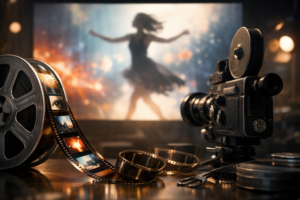
Arts | Video: How Moving Images Became a Powerful Artistic Language
Video has evolved from a recording medium into one of the most dynamic forms of contemporary art. By combining image, sound, time, and technology, video art creates immersive experiences that challenge how audiences see, feel, and interpret the world.
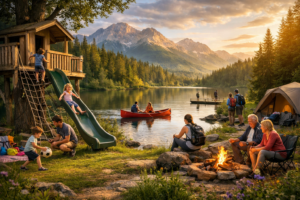
Recreation Reimagined: How Play, Nature, and Leisure Build Better Lives
Recreation is more than entertainment—it’s a vital practice that supports physical health, mental resilience, and social connection. From outdoor adventures to creative hobbies, intentional leisure can strengthen communities and improve everyday well-being.