



Recreation Reimagined: How Play, Nature, and Leisure Build Better Lives
What Recreation Really Means
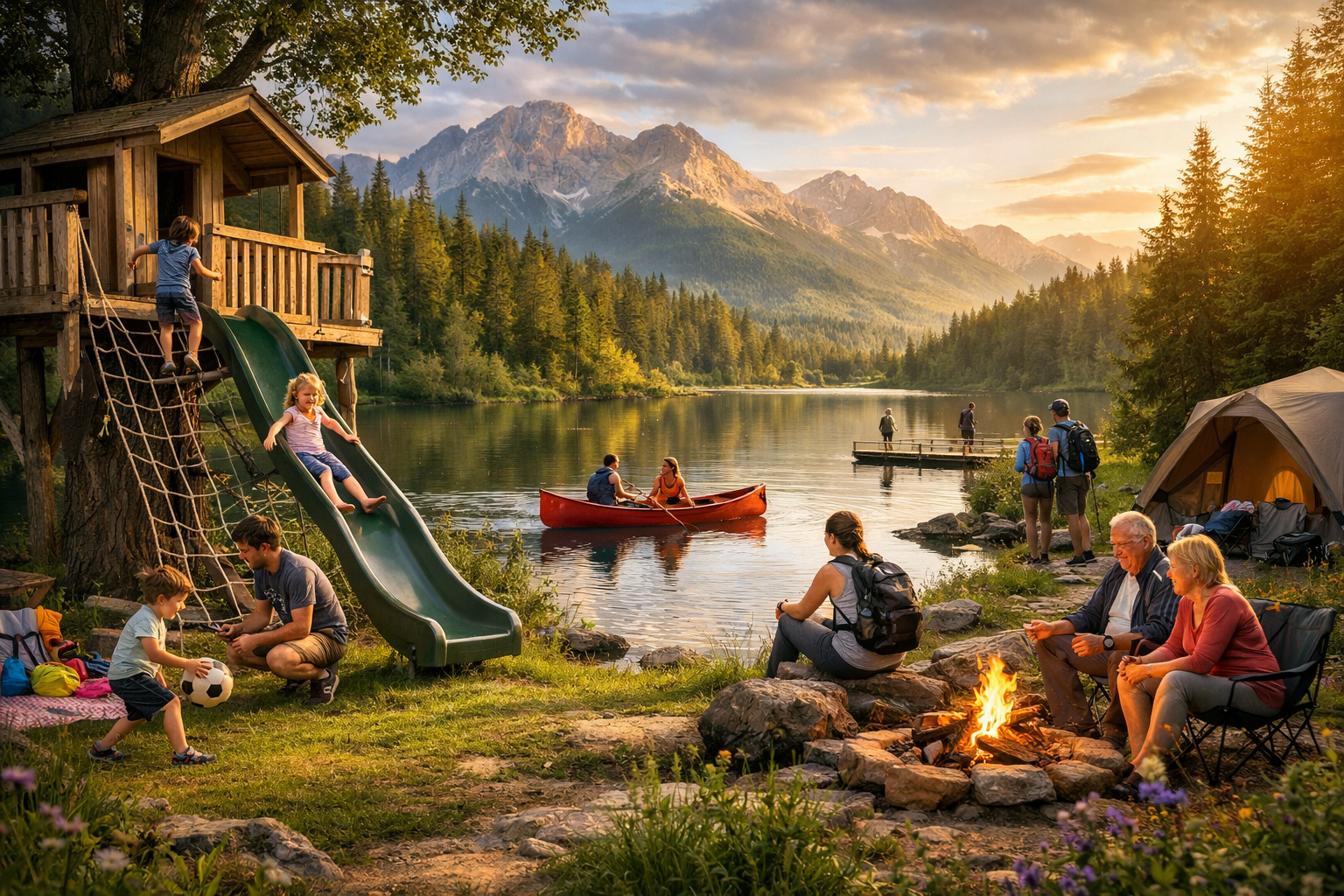
Recreation refers to activities people choose for enjoyment, relaxation, and renewal during free time. While it often includes sports and outdoor pursuits, recreation also covers quiet pastimes like reading, crafts, music, and informal social gatherings. The defining feature is not the specific activity, but the intent: recreation restores energy, relieves stress, and adds meaning to daily life.
Across cultures and age groups, recreational habits shape how individuals manage work-life balance, build relationships, and maintain health. When leisure is accessible and well-designed—through parks, community programs, clubs, or personal routines—it becomes a powerful tool for improving quality of life.
Why Recreation Matters for Individuals and Communities
Physical Health Benefits
Many recreational activities involve movement, which supports cardiovascular health, strength, coordination, and mobility. Even moderate activities—walking with friends, casual cycling, dancing, or swimming—can help reduce sedentary time. Regular recreational movement is also linked to improved sleep and better long-term health outcomes, especially when it becomes a sustainable habit rather than a short-lived fitness goal.
Mental and Emotional Well-Being
Recreation provides a natural counterbalance to stress. Engaging in enjoyable activities can calm the nervous system, improve mood, and create a sense of control and competence. Creative recreation like painting, playing an instrument, or writing can offer emotional expression, while nature-based recreation can reduce mental fatigue and restore attention.
Equally important is the role of recreation in identity: hobbies and interests remind people they are more than their responsibilities, helping protect against burnout.
Social Connection and Belonging
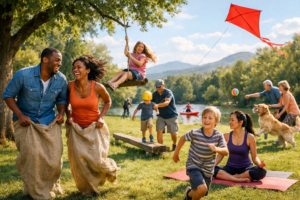
Many recreational experiences are social by design: team sports, group hikes, neighborhood events, or game nights. These settings create low-pressure opportunities to meet others, deepen friendships, and strengthen family ties. For communities, recreation can increase civic pride, reduce isolation, and support safer public spaces by encouraging regular, positive use of shared areas like parks and trails.
Major Types of Recreation
Outdoor and Nature-Based Recreation
Outdoor recreation includes walking, hiking, camping, fishing, paddling, birdwatching, and more. Nature adds unique value by providing fresh air, sunlight, and a break from screens and noise. Many people also find that natural settings make movement feel easier and more enjoyable, which helps consistency.
Accessible outdoor recreation doesn’t require remote wilderness. Local greenways, community gardens, and urban parks can offer meaningful nature contact when thoughtfully maintained and safe to use.
Sports and Physical Play
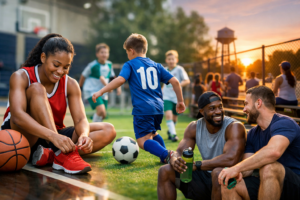
Sports recreation ranges from informal pickup games to organized leagues. Beyond fitness, sports teach skills such as teamwork, discipline, communication, and handling wins and losses. Recreational sports can be especially valuable when they emphasize inclusion and enjoyment over performance—creating welcoming spaces for beginners, older adults, and people returning to activity after time away.
Creative and Cultural Recreation
Creative pursuits—crafting, cooking, photography, theater, dance, and music—offer a sense of progress and personal expression. Cultural recreation can include museums, festivals, libraries, and community arts programs that connect people to heritage and new ideas. These activities can be deeply restorative, particularly for those who find relaxation in focused attention rather than physical exertion.
Social and Home-Based Recreation
Not all recreation requires travel or special equipment. Board games, movie nights, conversation circles, book clubs, and shared meals can be meaningful leisure. Home-based recreation is often the most accessible, especially for people with limited time, mobility challenges, or caregiving responsibilities.
How to Choose the Right Recreational Activities
The best recreation fits your lifestyle and supports your needs. A useful approach is to consider energy, time, and purpose. Some activities energize (a brisk walk), others soothe (gardening), and some connect (joining a club). Many people benefit from a “recreation mix” that includes more than one type.
- Start small and specific: Choose a 20-minute activity you can repeat weekly.
- Match the season: Indoor options (swimming, arts, community centers) help maintain routines year-round.
- Reduce barriers: Select activities near home, low-cost, and requiring minimal gear.
- Follow enjoyment, not trends: Consistency grows when the activity feels genuinely rewarding.
- Build in social support: A friend or group can increase motivation and accountability.
Recreation Planning: Safety, Access, and Inclusion
Safety and Preparedness
Safe recreation means planning for your environment and abilities. For outdoor activities, check weather, pack water, and understand basic navigation. For sports and fitness recreation, appropriate warm-ups, proper footwear, and gradual progression help prevent injuries. Safety also includes digital wellbeing—taking breaks from screens and setting boundaries so recreation remains restorative rather than draining.
Equitable Access
Access to recreation is shaped by transportation, cost, neighborhood design, and available public spaces. Communities can improve equitable recreation by maintaining parks, providing affordable programs, supporting adaptive sports, and designing spaces that are welcoming to people of different ages, cultures, and abilities.
Inclusive Recreation for All Ages and Abilities
Inclusive recreation recognizes that people participate in different ways. Adaptive equipment, accessible trails, sensory-friendly events, and flexible program rules can expand participation. Intergenerational opportunities—like community gardens or walking groups—help bridge age gaps and create shared purpose.
Making Recreation a Sustainable Habit
Recreation becomes most powerful when it’s regular. Rather than waiting for long vacations or perfect conditions, build small leisure moments into ordinary days. Treat recreation as a basic need, similar to sleep and nutrition. Scheduling it, protecting it from constant interruptions, and reflecting on what truly restores you can transform free time into an essential source of resilience.
Ultimately, recreation is a practice of renewal. Whether it’s a weekly game, a creative project, or a quiet hour outdoors, purposeful leisure helps individuals thrive—and helps communities become healthier, more connected places to live.
Listings related to article "Recreation Reimagined: How Play, Nature, and Leisure Build Better Lives"
Crawl Space Repair The Woodlands
The Woodlands Foundation Repair Pros offers inspections, foundation repair, house leveling, crawl-space services, and waterproofing in The Woodlands, Texas.
Hackaday
A community-driven platform showcasing creative and often unconventional projects related to electronics, hardware hacking, and DIY technology.
- Category
- Computers » Hardware » Do-It-Yourself
More articles like "Recreation Reimagined: How Play, Nature, and Leisure Build Better Lives"
Beyond the Whistle: Why Informal Sports Matter More Than Ever
Informal sports turn parks, streets, beaches, and backyards into spaces for movement, connection, and creativity. They offer flexible, low-cost ways to stay active while building community and confidence.
Recreation Reimagined: How Playful Time Builds Healthier, Happier Lives
Recreation is more than “free time”—it’s a powerful tool for physical health, mental resilience, social connection, and personal growth. This article explores types of recreation, why it matters, and how to build a realistic recreation routine in modern life.
More Than a Game: How Sports Shape Bodies, Minds, and Communities
Sports are a global language that blends physical skill, strategy, and shared identity. From youth leagues to elite competition, they influence health, culture, technology, and how communities connect.
