



Arts | Video: How Moving Images Became a Powerful Artistic Language
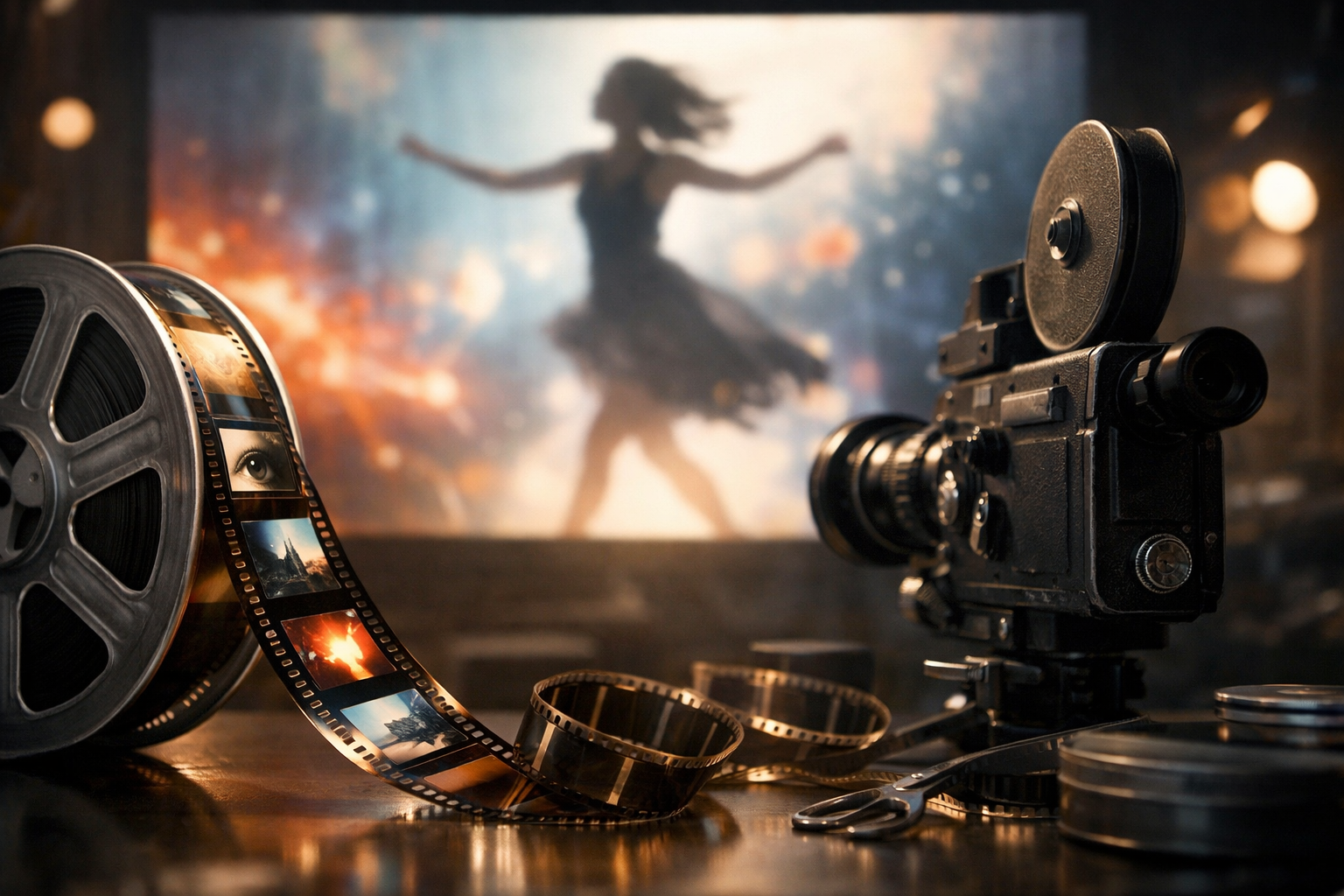
The Rise of Video as an Art Form
Video occupies a distinctive place within the arts because it blends the visual power of painting, the narrative potential of cinema, the rhythm of music, and the immediacy of performance. What began as a technological tool for documentation gradually became a medium for experimentation, critique, and expression. Artists discovered that moving images could do more than capture reality; they could reshape time, distort memory, and invite viewers into layered emotional and intellectual experiences.
Unlike traditional forms such as sculpture or drawing, video unfolds over time. This temporal quality gives artists the ability to guide attention, build tension, and use repetition or duration as part of the work itself. As a result, video art often feels both intimate and expansive, capable of addressing personal identity, political conflict, cultural change, and abstract ideas all within a single piece.
From Broadcast Technology to Gallery Walls
The history of video art is closely tied to technological accessibility. As portable cameras and recording equipment became more available in the late twentieth century, artists began exploring alternatives to mainstream film and television. They used video to challenge commercial media, question authority, and create forms that were less polished but often more direct and provocative.
Museums and galleries initially treated video as an unconventional newcomer, yet it soon proved its artistic depth. Installations featuring projections, monitors, and looped sequences expanded the physical space of exhibitions. Viewers no longer simply looked at a static object; they entered environments shaped by light, sound, motion, and duration. This shift helped redefine what an artwork could be and how audiences could encounter it.
What Makes Video Artistically Unique
Video is not merely film shown in a gallery setting. Its artistic identity often lies in its freedom from conventional storytelling rules. While some works use narrative, many rely on mood, fragmentation, symbolism, or repetition rather than plot. A video artwork may present a single gesture over several minutes, layer spoken text over abstract imagery, or combine documentary footage with digital manipulation to create something poetic and unsettling.
This flexibility allows video to operate across many artistic intentions. It can document a performance, function as a sculptural component in an installation, or exist as a standalone screen-based artwork. Because it can incorporate sound, editing, animation, found footage, and live action, video is one of the most interdisciplinary forms in contemporary practice.
Core Elements of Video Art
- Time: Duration, pacing, and repetition shape the viewer’s experience.
- Sound: Voice, music, ambient noise, or silence can transform meaning.
- Space: Screens, projections, and room layout influence how the work is perceived.
- Editing: Cuts, loops, overlays, and transitions create rhythm and structure.
- Concept: Many video works are driven by ideas as much as by aesthetics.
Together, these elements make video particularly suited to artworks that explore change, memory, identity, and perception. The medium can feel documentary-like one moment and dreamlike the next, often blurring the line between truth and construction.
Video in Contemporary Artistic Practice
Today, video is central to many areas of the arts, from gallery installations and public projections to online exhibitions and immersive multimedia environments. Contemporary artists use video to address urgent themes such as migration, surveillance, ecology, race, gender, and artificial intelligence. Because moving images are deeply embedded in everyday life, video art can engage viewers through familiar visual language while still subverting expectations.
Digital tools have also expanded creative possibilities. Artists can now manipulate footage with precision, combine 3D animation with live action, and distribute work globally through digital platforms. This democratization has opened the field to new voices, allowing creators from varied backgrounds to produce and share video-based art without relying solely on traditional institutional systems.
The Influence of the Internet and Social Platforms
The internet has changed how video is made, viewed, and understood. Short-form clips, livestreams, archives, and interactive media have all influenced artistic production. Many artists now consider not only the content of a video but also its method of circulation. A work shown in a museum carries one meaning; the same work shared through social media may generate another, shaped by speed, commentary, and public participation.
This shift has made video art more visible but also more contested. Questions about authorship, attention span, ownership, and algorithmic visibility now shape the medium. Even so, these pressures have inspired new forms of experimentation, prompting artists to think critically about the systems through which images travel.
How Audiences Experience Video Art
One of the most compelling aspects of video in the arts is the active role of the audience. Unlike traditional cinema, where viewers typically sit through a fixed beginning and end, video art often allows people to enter and leave at different moments. This changes the relationship between artwork and observer. Meaning becomes less about a single linear message and more about encounter, interpretation, and duration.
Installation-based video can be especially immersive. Large projections, surround sound, multiple screens, and darkened rooms create environments that affect the body as well as the mind. The viewer does not simply watch the artwork; they move through it, hear it, and sometimes become part of its spatial logic. This can make the experience highly personal, even when the work addresses collective themes.
Why Video Continues to Matter
Video remains vital because it reflects the contemporary condition so directly. Modern life is saturated with screens, recordings, broadcasts, and digital memories. Artists working with video engage this reality while also questioning it. They examine how images shape knowledge, how technology mediates emotion, and how visual culture influences power.
At the same time, video offers enormous expressive range. It can be quiet or overwhelming, documentary or fictional, raw or meticulously produced. It invites collaboration across disciplines and adapts to new tools without losing its critical edge. In this sense, video is not simply a medium within the arts; it is a living language that continues to evolve with culture itself.
Conclusion
Arts and video are deeply connected through experimentation, accessibility, and the ability to capture time as an expressive material. From early analog recordings to immersive digital installations, video has transformed how artists create and how audiences engage with art. Its power lies in its versatility: it can inform, disturb, enchant, document, and provoke all at once. As technology continues to change, video will remain one of the most influential and revealing forms of artistic expression.
Listings related to article "Arts | Video: How Moving Images Became a Powerful Artistic Language"

Laureate Aesthetics
Laureate Aesthetics is a boutique medical spa located in Sherman Oaks, California, founded by Nurse Practitioner Liana Sahakyan, RN, MSN, and dedicated to providing personalized, high-end aesthetic treatments that enhance natural beauty.

Serrato Signs & Awnings
Serrato Signs & Awnings, a family-owned and operated sign company in Worcester, Massachusetts, boasts over 80 years of experience in delivering top-tier interior and exterior signs, custom awnings, banners, flags, and vehicle graphic wraps across New England.
- Category
- Business » Business Services » Signage

Art Kitchen Direct for Chicago Builders and Developers
Introducing Kinzini, the go-to destination for comprehensive kitchen services tailored exclusively for builders and developers in Chicago. With a meticulous approach from start to finish, they specialize in crafting exceptional kitchens, vanities, and closets that surpass industry standards.
- Category
- Home » Home Improvement » Kitchens
More articles like "Arts | Video: How Moving Images Became a Powerful Artistic Language"

Arts and Literature: How Written Imagination Shapes Culture
Literature stands at the heart of the arts, preserving memory, challenging power, and expanding human imagination. From oral storytelling to digital narratives, it continues to shape how societies understand themselves.
The Living Language of Arts: How Humans Shape Meaning Through Making
Arts are more than decoration or entertainment—they are systems of expression that record history, challenge ideas, and build shared identity. This article explores what arts encompass, why they matter, and how to engage with them in everyday life.
The Living Language of Arts: How Creativity Shapes Culture, Community, and Change
Arts are more than decoration—they are a practical language for expressing identity, questioning reality, and building connection. From galleries to street murals and digital worlds, artistic practice helps societies remember, innovate, and heal.